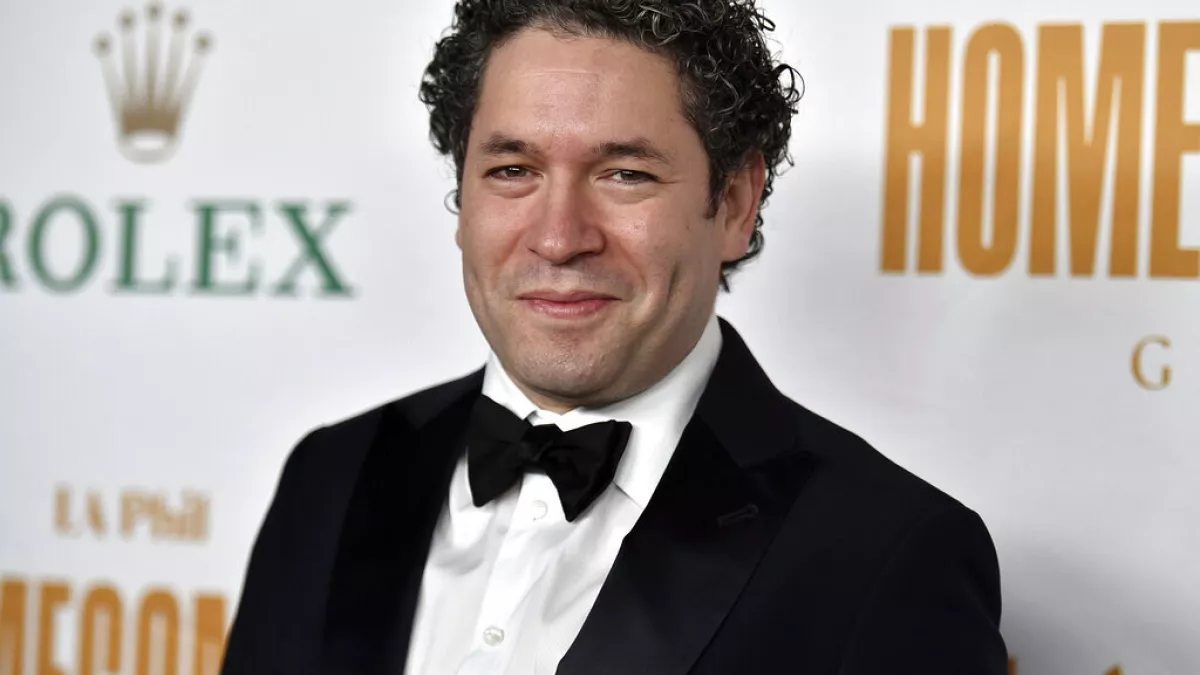
Gustavo Dudamel: A Maestro of Our Time

waynethomasyorke.com – Gustavo Dudamel, born on January 26, 1981, in Barquisimeto, Venezuela, is a world-renowned conductor who has captivated audiences worldwide with his passionate and dynamic performances. His meteoric rise to international fame has solidified his position as one of the most influential conductors of his generation.   

Early Life and Musical Beginnings

Dudamel’s musical journey began at a young age. He started playing the violin at the age of ten and quickly demonstrated exceptional talent. He joined El Sistema, a renowned Venezuelan youth orchestra program, where he received rigorous training and mentorship from renowned conductors.   

A Rising Star in the Conducting World

Dudamel’s talent as a conductor was evident from his early years. He quickly rose through the ranks of El Sistema, eventually becoming the principal conductor of the Simón Bolívar Symphony Orchestra of Venezuela. His charismatic leadership and innovative interpretations of classical music earned him international recognition.   

A Global Career

In 2009, Dudamel was appointed as the music director of the Los Angeles Philharmonic, one of the most prestigious orchestras in the world. His tenure at the LA Phil has been marked by groundbreaking programming, innovative collaborations, and a commitment to engaging audiences of all ages.   

Under Dudamel’s leadership, the LA Phil has embarked on ambitious projects, including the commissioning of new works by contemporary composers and the exploration of diverse musical genres. His passionate and energetic performances have revitalized the orchestra and brought classical music to a wider audience.   

A Cultural Ambassador

Dudamel is not only a talented conductor but also a cultural ambassador. He has used his platform to promote cultural exchange and social justice. His commitment to education and outreach programs has inspired countless young musicians and has helped to bridge the gap between classical music and popular culture.

A Legacy of Excellence

Gustavo Dudamel’s impact on the world of classical music is undeniable. His passion, energy, and innovative approach have transformed the way we experience classical music. As he continues to inspire audiences and musicians around the world, his legacy as one of the greatest conductors of our time is secure.

Reflections on International Beauty Ideals: The Global Mirror

waynethomasyorke.com – In a world that is increasingly interconnected, the concept of beauty has become a global conversation, with diverse cultures contributing their unique perspectives to the discourse. The Global Mirror serves as a metaphorical lens through which we can examine these international beauty ideals, reflecting the myriad ways in which societies perceive, value, and aspire to aesthetic standards. This exploration is not just a journey through physical attributes but a deep dive into the cultural, historical, and social factors that shape these ideals.

The Evolution of Beauty Standards

Beauty standards have evolved significantly over time, influenced by various factors including art, media, and societal norms. From the voluptuous figures of the Venuses of Willendorf in prehistoric Europe to the slender, androgynous looks celebrated in certain contemporary Asian cultures, the pendulum of beauty has swung widely. This evolution underscores the subjective and malleable nature of beauty ideals, which are far from universal or static.

Cultural Reflections in Beauty Ideals

Every culture has its unique beauty markers, often deeply rooted in historical and social contexts. For instance, in South America, the influence of indigenous cultures, European colonization, and African heritage has created a rich tapestry of beauty standards that celebrate a wide range of features. Similarly, in Africa, the concept of beauty varies greatly from one region to another, with diverse criteria for what is considered attractive, including body shape, skin tone, and adornments.

The Impact of Media and Technology

The advent of global media and the digital age has had a profound impact on international beauty ideals. Social media platforms, in particular, have become powerful arbiters of beauty, with influencers and celebrities setting trends that resonate worldwide. However, this globalization of beauty standards has also led to a homogenization, where certain Western ideals are becoming more dominant. The rise of digital alteration tools further complicates the discourse, creating unattainable beauty standards that can affect mental health and self-esteem.

Embracing Diversity and Inclusivity

In recent years, there has been a growing movement towards embracing diversity and inclusivity in beauty standards. This shift is a response to the recognition that beauty is not a one-size-fits-all concept but something that is diverse and multifaceted. Brands and influencers are increasingly celebrating different body types, skin colors, and facial features, challenging traditional norms and encouraging a more inclusive definition of beauty.

Conclusion

The Global Mirror reflects a complex and ever-changing landscape of international beauty ideals. It is a reminder of the beauty in diversity and the importance of recognizing the cultural, historical, and social factors that shape our perceptions of attractiveness. As we continue to navigate this global conversation, it is crucial to foster an environment of inclusivity and acceptance, celebrating the unique beauty of every individual. Through this lens, we can appreciate the rich tapestry of human aesthetics and work towards a more inclusive and diverse understanding of beauty.

The Norwegian Royal Family’s Global Impact

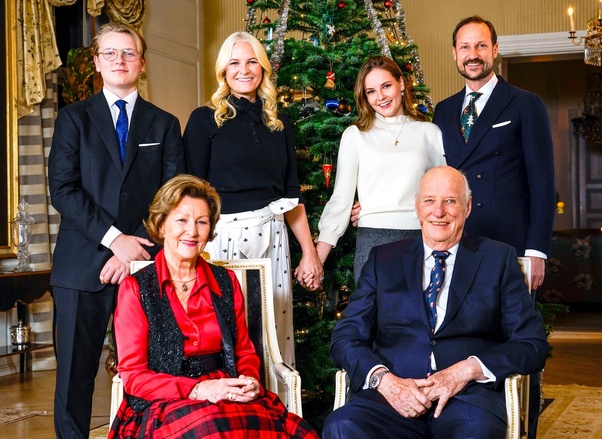
In the realm of international relations, the role of royal families has often been overlooked as a significant diplomatic tool. However, the Norwegian Royal Family, much like their counterparts in other monarchies, plays a crucial role in fostering global ties and promoting Norway’s interests on the world stage. This practice, known as dynastic diplomacy, leverages the unique position of royalty to enhance diplomatic efforts, strengthen alliances, and build bridges between nations. The Norwegian Royal Family, through their engagements, charitable work, and state visits, has made a substantial impact on the global stage, showcasing the soft power of their nation.

Historical Context

The Norwegian monarchy dates back to the early Middle Ages, but it was in 1905 that Norway became a fully independent constitutional monarchy, following the dissolution of the union with Sweden. The current royal family, headed by King Harald V, has since played a pivotal role in the country’s development and international relations.

Dynastic Diplomacy in Action

Dynastic diplomacy is a nuanced form of international engagement that relies on the personal relationships and charisma of royal family members. The Norwegian Royal Family’s approach to dynastic diplomacy is multifaceted, encompassing state visits, participation in international conferences, and support for humanitarian and environmental causes.

State Visits and International Engagements

State visits by members of the Norwegian Royal Family are carefully orchestrated events that serve to strengthen ties with other nations. These visits often include meetings with foreign heads of state, cultural exchanges, and business forums, providing a platform for discussing bilateral relations and exploring new areas of cooperation. The personal touch and the long-term relationships built through these visits can often facilitate diplomatic breakthroughs that traditional diplomacy might find challenging to achieve.

Charitable and Humanitarian Work

The Norwegian Royal Family is deeply involved in various charitable and humanitarian causes, both domestically and internationally. Their support for these causes not only highlights Norway’s commitment to global issues such as climate change, poverty, and gender equality but also serves as a powerful tool for soft diplomacy. By lending their support and visibility to these causes, the royal family can draw international attention and support, thereby enhancing Norway’s reputation as a responsible and compassionate nation.

Environmental Leadership

In recent years, the Norwegian Royal Family has been particularly vocal in advocating for environmental sustainability and climate action. Their engagement in various environmental initiatives and platforms underscores Norway’s commitment to leading the global fight against climate change. This not only aligns with Norway’s national interests but also positions the country as a thought leader in environmental conservation, further enhancing its global influence.

The Future of Dynastic Diplomacy

As the world becomes increasingly interconnected, the role of dynastic diplomacy is likely to grow. The Norwegian Royal Family, with its commitment to international engagement and humanitarian causes, is well-positioned to continue making significant contributions to global affairs. The younger generation of royals, including Crown Prince Haakon and Princess Ingrid Alexandra, are already playing active roles in various initiatives, ensuring the continuity of the family’s global impact.

In conclusion, the Norwegian Royal Family’s practice of dynastic diplomacy is a testament to the enduring relevance of monarchy in the modern world. Through their engagements, charitable work, and advocacy for global issues, they have demonstrated the power of soft diplomacy in fostering international relations and promoting Norway’s interests on the world stage. As the world faces new challenges, the role of the Norwegian Royal Family in global affairs will undoubtedly continue to evolve, further cementing their legacy as champions of peace, sustainability, and humanitarian causes.