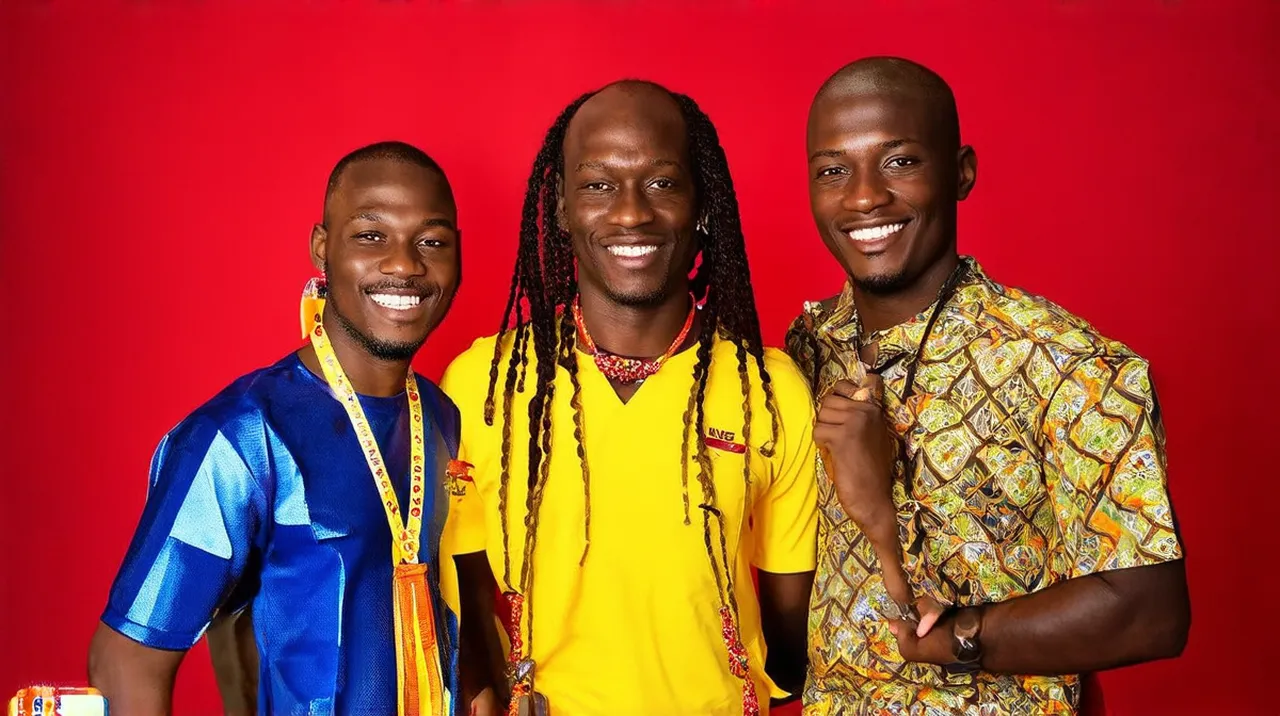
waynethomasyorke.com – The Malabo International Music Festival stands as a vibrant testament to the power of music to transcend borders and unite cultures. Held annually in Malabo, the capital of Equatorial Guinea, this festival has become a significant event on the African music calendar, showcasing a rich tapestry of musical styles, with a particular emphasis on Afro-Latin and Afro-Caribbean rhythms. It’s a celebration of heritage, a platform for artistic expression, and a bridge connecting Equatorial Guinea with the global music community.
A Fusion of Sounds: Afro-Latin and Afro-Caribbean Influence
The Malabo International Music Festival distinguishes itself through its focus on the dynamic interplay between African, Latin American, and Caribbean musical traditions. This focus stems from the historical connections between these regions, forged through the transatlantic slave trade, which resulted in a rich cross-pollination of musical styles. The festival showcases genres such as:
- Rumba: With its roots in Central Africa and strong Cuban influences, rumba is a cornerstone of the festival’s programming.
- Salsa: Another genre with deep Afro-Cuban roots, salsa’s energetic rhythms and improvisational nature find a prominent place at the festival.
- Soukous: Originating in the Congo, soukous music, with its fast-paced guitar lines and infectious rhythms, adds another layer to the festival’s diverse soundscape.
- Reggae and Dancehall: Representing the Caribbean influence, these genres bring their distinctive rhythms and social commentary to the festival.
- Traditional Equatorial Guinean Music: The festival also provides a vital platform for showcasing the diverse musical traditions of Equatorial Guinea itself, ensuring that local heritage is celebrated alongside international influences.
This fusion of sounds creates a unique and energetic atmosphere, making the Malabo International Music Festival a truly special experience.
Showcasing Local and International Talent
The festival features a diverse lineup of artists, both established and emerging, from Equatorial Guinea and other countries. This mix of local and international talent provides a platform for cultural exchange and artistic growth.
- Equatorial Guinean Artists: The festival provides crucial exposure for local musicians, allowing them to share their music with a wider audience and connect with international artists. This fosters a sense of national pride and helps to promote the development of the country’s music industry.
- International Guests: The presence of international artists brings new perspectives and influences to the festival, creating opportunities for collaboration and cross-cultural learning. These international collaborations also bring global attention to the festival and to Equatorial Guinea.
By bringing together artists from different backgrounds, the festival fosters a spirit of collaboration and mutual appreciation, creating a vibrant and dynamic artistic community.
More Than Just Music: A Cultural Exchange
The Malabo International Music Festival is more than just a series of concerts; it’s a cultural exchange that promotes understanding and appreciation between different cultures. The festival often includes:
- Workshops and Masterclasses: These educational opportunities allow local musicians to learn from experienced professionals and develop their skills.
- Cultural Exhibitions: These exhibitions showcase the art, crafts, and traditions of Equatorial Guinea and other participating countries, providing a deeper understanding of their cultural heritage.
- Community Engagement Programs: These programs connect the festival with local communities, bringing music and cultural activities to a wider audience.
These initiatives help to create a more immersive and enriching experience for both artists and attendees, fostering a deeper understanding and appreciation of different cultures.
A Growing Force in African Music
The Malabo International Music Festival has grown in prominence in recent years, becoming a key event on the African music calendar. It plays a vital role in promoting cultural tourism to Equatorial Guinea and showcasing the country’s rich cultural heritage to the world.
The festival’s focus on Afro-Latin and Afro-Caribbean rhythms makes it unique and contributes to the broader recognition of these important musical traditions. It provides a space for artists to connect, collaborate, and share their music with a global audience, contributing to the vibrancy and diversity of the world’s musical landscape. The Malabo International Music Festival is not just a celebration of music; it’s a celebration of culture, connection, and the power of art to unite us all.
