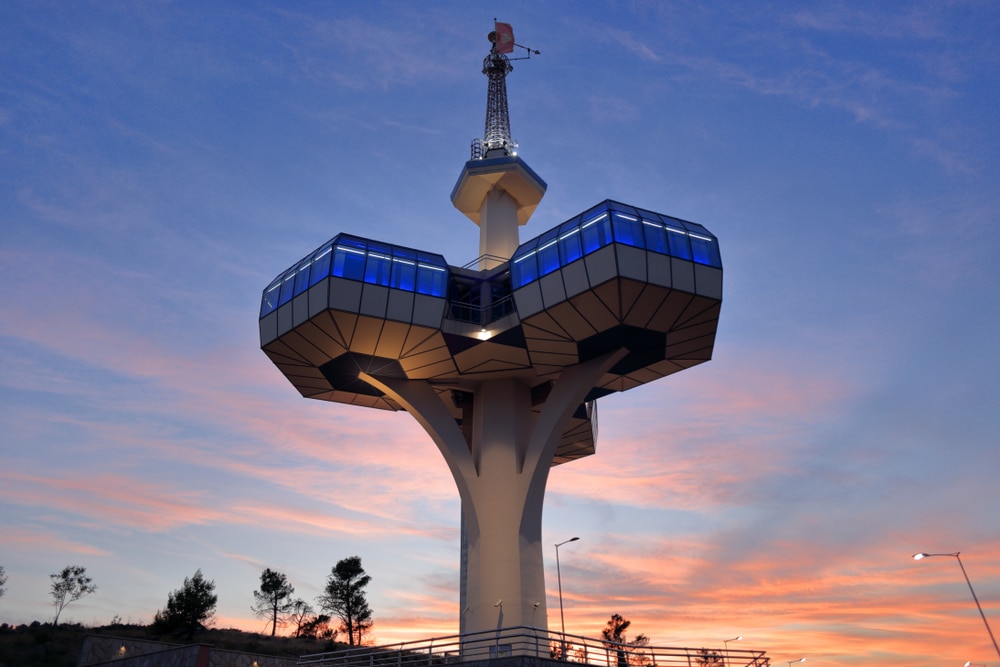
Influence and Impact: The Role of the Media in Montenegro

waynethomasyorke.com – The media landscape in Montenegro is a complex and influential sector that plays a significant role in shaping public opinion and political discourse. This article explores the structure of the Montenegrin media, its relationship with political powers, and the impact it has on society.

The Media Landscape in Montenegro

Montenegro’s media landscape is characterized by a mix of state-owned and private media outlets, including television, radio, newspapers, and online platforms. The state broadcaster, Radio and Television of Montenegro (RTCG), is the primary public service broadcaster, while numerous private television and radio stations cater to diverse audiences. The print media sector includes several daily and weekly newspapers, along with a growing number of online news portals.

The Relationship Between Media and Political Powers

The relationship between the media and political powers in Montenegro is often contentious. Critics argue that the government exerts undue influence over the media, particularly through control of advertising revenues and regulatory bodies. This has led to concerns about media freedom and the ability of journalists to report independently.

Despite these challenges, there are also vibrant independent media outlets that strive to provide unbiased news and critical analysis. These outlets often face financial difficulties and political pressure but remain crucial for a pluralistic media landscape.

Influence on Public Opinion

The media in Montenegro has a significant impact on public opinion, shaping perceptions of political events, social issues, and economic developments. Through selective reporting, framing of news stories, and editorial commentary, media outlets can influence how citizens view their government, political leaders, and societal challenges.

Social media has also become an important platform for information dissemination and public discourse. While it offers a space for diverse voices and citizen journalism, it also presents challenges related to misinformation and the spread of fake news.

Impact on Political Discourse

The media plays a crucial role in Montenegro’s political discourse, serving as a forum for debate and a watchdog over government actions. Investigative journalism and critical reporting can hold authorities accountable and contribute to transparency and good governance.

However, the politicization of the media can also polarize public discourse and hinder constructive dialogue. Media bias and the instrumentalization of news for political gain can undermine trust in media institutions and erode the quality of democratic debate.

Conclusion

The role of the media in Montenegro is multifaceted, encompassing both the potential for positive influence and the challenges of political interference and bias. Ensuring a free, independent, and pluralistic media landscape is essential for a healthy democracy. As Montenegro continues to develop its media sector, it is crucial to address issues of media freedom, professional journalism standards, and the responsible use of media power.
The Impact of Societal Liberalization on Women in Saudi Arabia

waynethomasyorke.com – The societal liberalization in Saudi Arabia, spearheaded by Crown Prince Mohammed bin Salman, has brought about significant changes in the lives of women, particularly in the realms of employment, social freedoms, and economic empowerment. This shift is part of the broader Vision 2030 initiative, which aims to modernize the kingdom and diversify its economy away from oil dependency.

Employment and Economic Empowerment

One of the most notable impacts of liberalization has been the increase in women’s participation in the workforce. The percentage of women working outside the home has almost doubled in the last five years, reaching 32% from nearly 18%. Women are now employed in various sectors, including as customs officials, client relationship managers, and hostesses at restaurants, indicating a broader acceptance and integration into professional roles previously dominated by men.

Social Freedoms

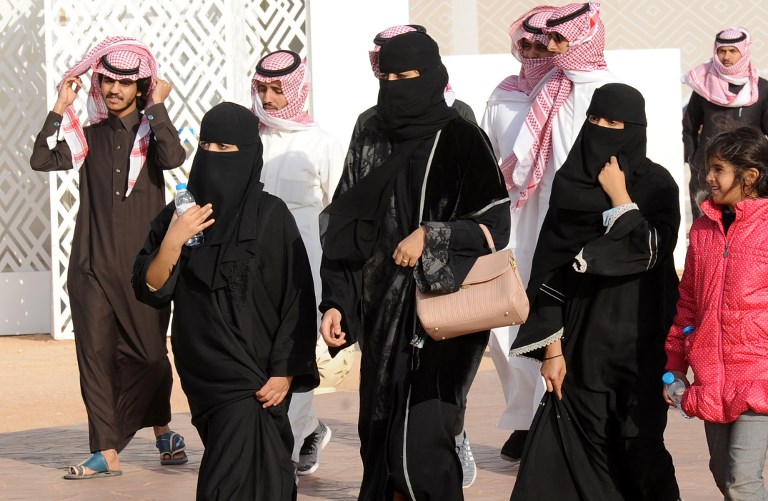
Socially, the reforms have allowed women greater freedoms in public spaces. They can now attend certain sporting events at stadiums, which was previously forbidden, and no longer need to use separate entrances from men in many establishments. The liberalization also includes the ability for women to apply for passports, live by themselves, and travel on their own, marking a significant shift from the previous guardianship system that required male permission for such actions.

Cultural Changes

Culturally, the changes are evident in the fashion industry, where colored abayas and more relaxed dress codes are becoming the norm. This shift reflects a broader relaxation in traditional dress codes, although there is still a conservative undercurrent that limits the extent of this change.

Challenges and Uneven Progress

Despite these advancements, the progress is uneven. The guardianship system, while somewhat relaxed, still requires women to obtain permission from male guardians for certain actions, such as marriage and business ownership. Additionally, the pace of change has led to cultural and social tensions, with some Saudis feeling that the reforms are too rapid and potentially disrespectful of traditional values.

Economic Impact

Economically, the reforms have been beneficial, with women’s increased participation in the workforce contributing to a more dynamic and diverse economy. This shift is part of the broader goal of Vision 2030 to diversify the economy and reduce reliance on oil.

Conclusion

The societal liberalization in Saudi Arabia has had a profound impact on women, providing them with greater freedoms and opportunities in both the public and private spheres. However, the path to full equality is still fraught with challenges, including the persistence of certain traditional restrictions and the need for further reforms to address the uneven progress. As the kingdom continues to evolve, the role of women in Saudi society is likely to become even more prominent, reflecting a broader shift towards modernity and gender equality.

The Norwegian Royal Family’s Global Impact

In the realm of international relations, the role of royal families has often been overlooked as a significant diplomatic tool. However, the Norwegian Royal Family, much like their counterparts in other monarchies, plays a crucial role in fostering global ties and promoting Norway’s interests on the world stage. This practice, known as dynastic diplomacy, leverages the unique position of royalty to enhance diplomatic efforts, strengthen alliances, and build bridges between nations. The Norwegian Royal Family, through their engagements, charitable work, and state visits, has made a substantial impact on the global stage, showcasing the soft power of their nation.

Historical Context

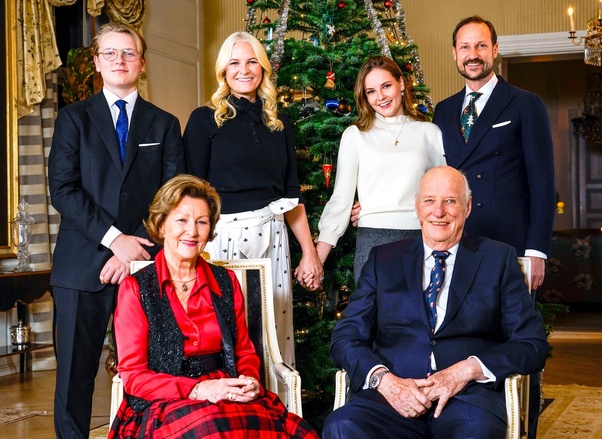
The Norwegian monarchy dates back to the early Middle Ages, but it was in 1905 that Norway became a fully independent constitutional monarchy, following the dissolution of the union with Sweden. The current royal family, headed by King Harald V, has since played a pivotal role in the country’s development and international relations.

Dynastic Diplomacy in Action

Dynastic diplomacy is a nuanced form of international engagement that relies on the personal relationships and charisma of royal family members. The Norwegian Royal Family’s approach to dynastic diplomacy is multifaceted, encompassing state visits, participation in international conferences, and support for humanitarian and environmental causes.

State Visits and International Engagements

State visits by members of the Norwegian Royal Family are carefully orchestrated events that serve to strengthen ties with other nations. These visits often include meetings with foreign heads of state, cultural exchanges, and business forums, providing a platform for discussing bilateral relations and exploring new areas of cooperation. The personal touch and the long-term relationships built through these visits can often facilitate diplomatic breakthroughs that traditional diplomacy might find challenging to achieve.

Charitable and Humanitarian Work

The Norwegian Royal Family is deeply involved in various charitable and humanitarian causes, both domestically and internationally. Their support for these causes not only highlights Norway’s commitment to global issues such as climate change, poverty, and gender equality but also serves as a powerful tool for soft diplomacy. By lending their support and visibility to these causes, the royal family can draw international attention and support, thereby enhancing Norway’s reputation as a responsible and compassionate nation.

Environmental Leadership

In recent years, the Norwegian Royal Family has been particularly vocal in advocating for environmental sustainability and climate action. Their engagement in various environmental initiatives and platforms underscores Norway’s commitment to leading the global fight against climate change. This not only aligns with Norway’s national interests but also positions the country as a thought leader in environmental conservation, further enhancing its global influence.

The Future of Dynastic Diplomacy

As the world becomes increasingly interconnected, the role of dynastic diplomacy is likely to grow. The Norwegian Royal Family, with its commitment to international engagement and humanitarian causes, is well-positioned to continue making significant contributions to global affairs. The younger generation of royals, including Crown Prince Haakon and Princess Ingrid Alexandra, are already playing active roles in various initiatives, ensuring the continuity of the family’s global impact.

In conclusion, the Norwegian Royal Family’s practice of dynastic diplomacy is a testament to the enduring relevance of monarchy in the modern world. Through their engagements, charitable work, and advocacy for global issues, they have demonstrated the power of soft diplomacy in fostering international relations and promoting Norway’s interests on the world stage. As the world faces new challenges, the role of the Norwegian Royal Family in global affairs will undoubtedly continue to evolve, further cementing their legacy as champions of peace, sustainability, and humanitarian causes.