The Persistent Louse: A Tiny Parasite with a Troublesome History

1. Introduction: More Than Just Head Lice

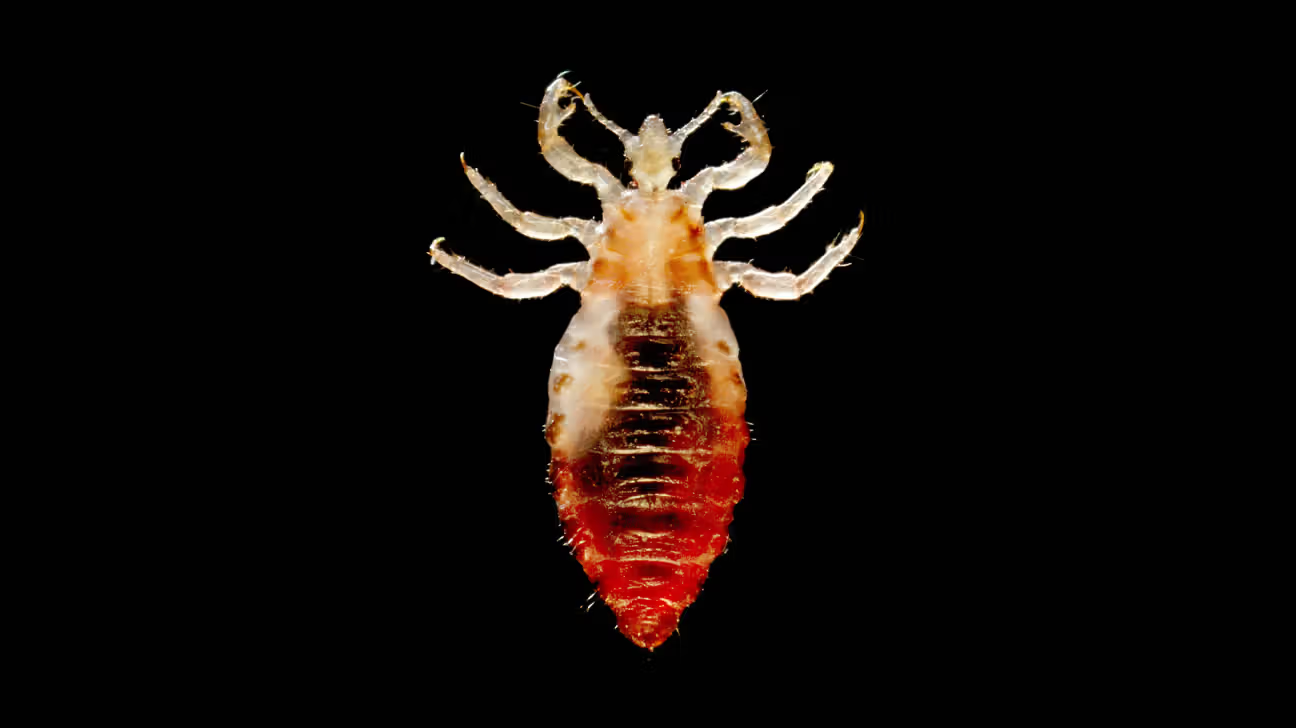
waynethomasyorke.com – Lice (singular: louse), belonging to the order Phthiraptera, are wingless parasitic insects that spend their entire life cycle on a single host. While often associated with head lice in children, lice infest various mammals and birds, with different species specializing on different parts of the host’s body. This article delves into the world of lice, exploring their biology, life cycle, host specificity, health implications, and control strategies.   

2. Physical Characteristics: Adapted for Clinging and Blood-Feeding

Lice are characterized by several key physical adaptations for their parasitic lifestyle:   

  • Small, Wingless Body: Their small, flattened bodies allow them to move easily through hair or feathers.   
  • Short Antennae: They have short, stout antennae.   
  • Strong Claws: Their legs are equipped with strong claws that enable them to cling tightly to the host’s hair or feathers.   
  • Piercing-Sucking or Chewing Mouthparts: Depending on the species, lice have either piercing-sucking mouthparts for feeding on blood or chewing mouthparts for feeding on skin debris or feathers.   

3. Life Cycle: Incomplete Metamorphosis

Lice undergo incomplete metamorphosis (hemimetabolism), with three distinct life stages:   

  • Egg (Nit): Lice eggs, known as nits, are small, oval-shaped, and firmly attached to the host’s hair or feathers with a glue-like substance.   
  • Nymph: The nymph hatches from the nit and resembles a smaller version of the adult louse. It molts several times as it grows.   
  • Adult: After several molts, the nymph reaches the adult stage and is capable of reproduction.   

4. Diversity and Classification: Different Types of Lice and Host Specificity

Lice are highly host-specific, meaning different species infest different animals and even different parts of the same animal. The two main suborders of lice are:   

  • Anoplura (Sucking Lice): These lice have piercing-sucking mouthparts and feed on blood. They infest mammals. Examples include:
    • Human Head Louse (Pediculus humanus capitis): Infests the scalp.   
    • Human Body Louse (Pediculus humanus humanus): Lives in clothing and infests the body.   
    • Pubic Louse (Pthirus pubis): Commonly known as “crabs,” infests pubic hair.   


  • Mallophaga (Chewing Lice): These lice have chewing mouthparts and feed on skin debris, feathers, or hair. They infest birds and some mammals.   

5. Habitat and Distribution: Entire Life Cycle on the Host

Lice spend their entire life cycle on their host, moving between hosts through direct contact.

6. Feeding and Diet: Blood or Skin Debris

  • Sucking Lice: Feed exclusively on blood.
  • Chewing Lice: Feed on skin debris, feathers, or hair.

7. Health Implications: Itching, Irritation, and Disease Transmission

Lice infestations can cause various health problems:

  • Pediculosis: The infestation itself, causing itching (pruritus) and skin irritation.   
  • Secondary Infections: Scratching can lead to secondary bacterial infections.   
  • Disease Transmission (Body Lice): Body lice are known to transmit diseases such as typhus, trench fever, and relapsing fever, particularly in conditions of poor hygiene and overcrowding. Head and pubic lice are not considered major disease vectors.   

8. Signs of Lice Infestation: Itching, Nits, and Live Lice

Common signs of a lice infestation include:

  • Intense itching, especially on the scalp, body, or pubic area.   
  • Visible nits attached to hair shafts.   
  • Seeing live lice crawling on the skin or hair.

9. Control and Treatment: Different Approaches for Different Lice

Treatment varies depending on the type of lice:

  • Head Lice: Treated with over-the-counter or prescription medicated shampoos, lotions, or creams containing permethrin, pyrethrin, or other insecticides. Nit combing is also important.   
  • Body Lice: Treatment involves improving personal hygiene, washing clothing and bedding at high temperatures, and sometimes using insecticides.   
  • Pubic Lice: Treated similarly to head lice with medicated shampoos, lotions, or creams.

10. Prevention: Good Hygiene and Avoiding Close Contact

Preventing lice infestations involves:

  • Maintaining good personal hygiene.
  • Avoiding close contact with infested individuals or their belongings.
  • Regularly checking hair for lice and nits, especially in children.  

11. Conclusion: Managing Lice Infestations and Maintaining Hygiene

Lice are persistent parasites that can cause significant discomfort and health problems. Understanding their biology, life cycle, and effective treatment strategies is crucial for managing infestations and preventing their spread. Good hygiene practices and prompt treatment are essential for controlling lice and maintaining good health. While often viewed as a nuisance, they highlight the importance of hygiene and public health practices.   

Sremska Mitrovica: A City of History and Culture

waynethomasyorke.com – Sremska Mitrovica, a city nestled in the Srem region of Serbia, is a historical gem with a rich past and a vibrant culture. Situated on the banks of the Danube River, the city has been an important center of trade and culture for centuries.

The city’s history dates back to the Roman era, when it was known as Sirmium. Over the centuries, Sremska Mitrovica has been influenced by various cultures and empires, including the Byzantine Empire, the Hungarian Kingdom, the Ottoman Empire, and the Habsburg Monarchy. This diverse historical heritage is reflected in the city’s architecture, traditions, and customs.

A Cultural Hub

Sremska Mitrovica is a city with a vibrant cultural scene. The city’s National Museum houses a valuable collection of archaeological artifacts, historical documents, and works of art. The museum offers insights into the region’s rich history, from the prehistoric era to the modern day.

The city’s theaters and cultural centers offer a variety of performances, including plays, concerts, and exhibitions. The annual Srem Festival is a major cultural event that attracts artists and performers from all over Serbia.

A Natural Paradise

Sremska Mitrovica is surrounded by stunning natural beauty. The Danube River, with its picturesque landscapes and diverse wildlife, is a popular destination for boating, fishing, and swimming. The nearby forests and parks offer opportunities for hiking, biking, and birdwatching.

The city’s parks and gardens provide peaceful retreats for relaxation and recreation. The Štrand, a popular beach on the Danube River, is a great place to soak up the sun and enjoy water sports.

A Modern City

Sremska Mitrovica has undergone significant development in recent years, transforming into a modern city with a strong focus on industry, agriculture, and tourism. The city’s industrial zone is home to a variety of manufacturing companies, contributing to the region’s economic growth.

Sremska Mitrovica is also a popular destination for tourists, offering a variety of attractions, including historical sites, museums, parks, and recreational facilities. The city’s proximity to Belgrade and other major cities makes it easily accessible.

Whether you’re interested in history, culture, or nature, Sremska Mitrovica has something to offer everyone. Its rich heritage, vibrant culture, and stunning natural beauty make it a fascinating destination for travelers seeking an authentic Serbian experience.

The City of Sun and Sea: Discovering Natal

waynethomasyorke.com – Natal, the capital of the state of Rio Grande do Norte in Brazil, is a captivating destination known for its stunning beaches, rich history, and vibrant culture. Often referred to as the “City of Sun,” Natal enjoys a warm, tropical climate and boasts an abundance of natural beauty, making it a popular spot for tourists and locals alike.

A Coastal Paradise

Natal is renowned for its breathtaking coastline, with pristine beaches that stretch for miles. Ponta Negra Beach is perhaps the most famous, featuring the iconic Morro do Careca, a towering sand dune that has become a symbol of the city. The clear waters and golden sands make it an ideal location for sunbathing, swimming, and water sports.

For those seeking adventure, Genipabu Beach offers unique experiences such as dune buggy rides and camel tours. The nearby lagoons and towering sand dunes create a dramatic landscape that is perfect for exploration and photography.

Rich History and Culture

Founded in 1599, Natal has a rich historical heritage reflected in its architecture and cultural sites. The Forte dos Reis Magos, a star-shaped fortress built by the Portuguese in the 16th century, stands as a testament to the city’s colonial past. Visitors can explore the fort and learn about its historical significance while enjoying panoramic views of the coastline.

Natal’s cultural vibrancy is evident in its festivals, music, and cuisine. The city hosts several annual events, including the Carnatal, one of the largest off-season Carnival celebrations in Brazil, featuring lively parades, music, and dance. The local cuisine offers a delightful array of flavors, with fresh seafood and regional dishes such as tapioca and carne de sol (sun-dried beef) being popular choices.

Natural Wonders and Ecotourism

Natal is not just about beaches; it is also a gateway to some of Brazil’s most remarkable natural wonders. The nearby Parque das Dunas is the second-largest urban park in Brazil and offers a unique ecosystem of sand dunes, Atlantic forest, and diverse wildlife. It’s a haven for nature lovers and provides opportunities for hiking, birdwatching, and guided tours.

The city is also close to the stunning Maracajaú reefs, known as the “Brazilian Caribbean,” where visitors can enjoy snorkeling and diving to explore vibrant coral reefs teeming with marine life.

A Growing Tourism Destination

Natal’s infrastructure and tourism services have been steadily improving, making it an increasingly attractive destination for both domestic and international travelers. The city’s hospitality industry offers a wide range of accommodations, from luxury resorts to budget-friendly options, ensuring a comfortable stay for all visitors.

The development of Natal’s airport and road connectivity has further enhanced its accessibility, allowing tourists to explore the region with ease.

Conclusion

Natal is a city that captivates with its sun-soaked beaches, rich history, and vibrant culture. Whether you’re relaxing on its pristine shores, exploring its historical landmarks, or immersing yourself in its lively festivals, Natal offers an unforgettable experience that celebrates the beauty and diversity of Brazil’s northeastern coast. As a city that continues to grow and enchant, Natal invites visitors to discover its many treasures.

Pirates of the Caribbean: The Golden Age – History

waynethomasyorke.com – “Pirates of the Caribbean: The Golden Age” marks a significant milestone in the beloved franchise, delving deep into the historical period known as the Golden Age of Piracy. This film not only promises to deliver the swashbuckling action and supernatural elements that fans have come to expect but also aims to provide a more authentic portrayal of the era’s rich history and cultural significance.

The Golden Age of Piracy

The Golden Age of Piracy, spanning from around 1650 to 1726, was a tumultuous period in maritime history. It was characterized by the rise of notorious pirates like Blackbeard and Calico Jack, who roamed the Caribbean and Atlantic coasts, preying on merchant ships and disrupting trade routes. This era was marked by a mix of lawlessness and adventure, making it a fertile ground for storytelling.

The Plot

“Pirates of the Caribbean: The Golden Age” follows the adventures of Captain Jack Sparrow (Johnny Depp) as he navigates the treacherous waters of the Caribbean during this historic period. The film introduces a new antagonist, a powerful pirate lord named Blackheart (played by a renowned actor), who seeks to unite all pirates under his banner and challenge the established naval powers of the time.

Jack Sparrow, along with his loyal crew, must thwart Blackheart’s plans and prevent a catastrophic war that could reshape the balance of power in the Caribbean. The story is rich with historical references and mythical elements, blending fact with fiction to create a compelling narrative.

Historical Accuracy and Cultural Significance

One of the film’s strengths is its attempt to balance historical accuracy with cinematic flair. The production team consulted with historians to ensure that the portrayal of the Golden Age of Piracy was as authentic as possible. This includes the depiction of pirate life, the ships, and the weapons used during the period.

The film also addresses the cultural impact of piracy, highlighting the social and economic conditions that led to the rise of piracy. It explores themes of freedom, rebellion, and the quest for a better life, which were central to the lives of many pirates during this era.

Visuals and Action

Visually, “Pirates of the Caribbean: The Golden Age” is a feast for the eyes. The film boasts stunning CGI and practical effects that bring the era to life. The action sequences are thrilling, with epic battles on land and sea that showcase the film’s commitment to high-quality production values.

The score, composed by a renowned composer, adds a layer of depth and emotion to the narrative, enhancing the film’s immersive experience.

Critical Reception

Early reviews of “Pirates of the Caribbean: The Golden Age” have been largely positive. Critics praise the film’s ability to blend historical accuracy with cinematic storytelling, creating a rich and engaging experience for audiences. The performances, particularly Johnny Depp’s, have been highlighted for their energy and depth.

Conclusion

“Pirates of the Caribbean: The Golden Age” is a promising addition to the franchise, offering a fresh take on the legendary saga. With its strong cast, impressive visuals, and engaging storyline, the film is set to captivate audiences and continue the legacy of one of the most beloved movie series of all time. As the saga continues, fans can look forward to more thrilling escapades on the high seas, grounded in the rich history of the Golden Age of Piracy.

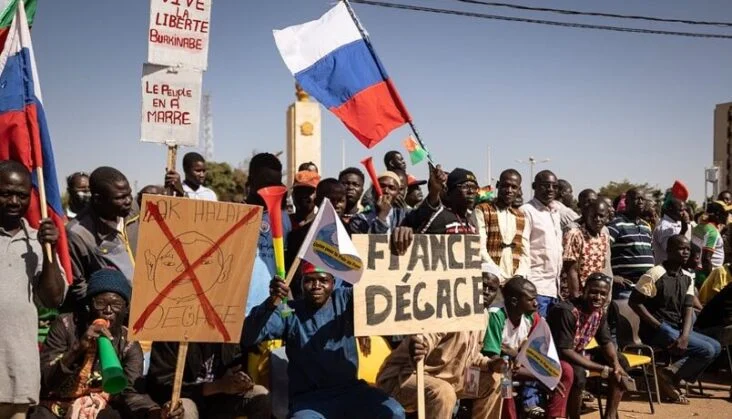
The Role of France in Burkina Faso’s History & Modern Relations

waynethomasyorke.com – Burkina Faso, formerly known as Upper Volta, has a complex historical relationship with France that dates back to the colonial era. This relationship has evolved over time, shaping Burkina Faso’s political, economic, and cultural landscape. Today, France remains a significant partner for Burkina Faso, influencing its development and security. This article explores the historical context of France’s involvement in Burkina Faso and examines the nature of their modern-day relations.

Historical Context

Colonial Era

France’s involvement in Burkina Faso began in the late 19th century during the Scramble for Africa. In 1896, French forces occupied the region, which was later integrated into French West Africa (Afrique Occidentale Française, AOF). The colonial administration imposed a centralized government, introduced cash crops, and built infrastructure to support economic exploitation. The colonial period also saw the spread of French culture and language, which continues to influence Burkina Faso today.

Independence and Post-Independence

Burkina Faso gained independence from France on August 5, 1960. The post-independence era was marked by political instability, military coups, and economic challenges. Despite these difficulties, France remained a key player in Burkina Faso’s affairs, providing economic aid, military support, and technical assistance.

Modern Relations

Economic Ties

France is one of Burkina Faso’s major economic partners. French companies have significant investments in various sectors, including mining, agriculture, and infrastructure. France also provides development aid and supports Burkina Faso’s efforts to achieve sustainable economic growth.

Cultural and Educational Exchange

The cultural influence of France in Burkina Faso is evident in the widespread use of the French language, which is the official language of the country. Educational exchanges and cooperation are also strong, with many Burkinabé students pursuing higher education in France.

Security Cooperation

France plays a crucial role in regional security, particularly in the fight against terrorism and extremist groups. The French military has been involved in operations in the Sahel region, including Burkina Faso, to combat these threats. This security cooperation is vital for Burkina Faso, which faces ongoing security challenges.

Political Relations

France and Burkina Faso maintain diplomatic relations, with regular high-level exchanges. France supports Burkina Faso’s democratic processes and political stability. However, there have been instances of tension, particularly when Burkina Faso’s leaders have sought to assert independence from French influence.

Conclusion

The relationship between France and Burkina Faso is multifaceted, rooted in a colonial past and evolving into a partnership that spans economic, cultural, educational, and security domains. While France’s influence is significant, Burkina Faso continues to navigate its path towards development and stability, balancing its historical ties with its aspirations for sovereignty and self-reliance. As both countries adapt to changing global dynamics, their relationship will likely continue to evolve, reflecting the complex interplay of historical legacies and contemporary interests.

A Taste of History: The Iranian Cuisine

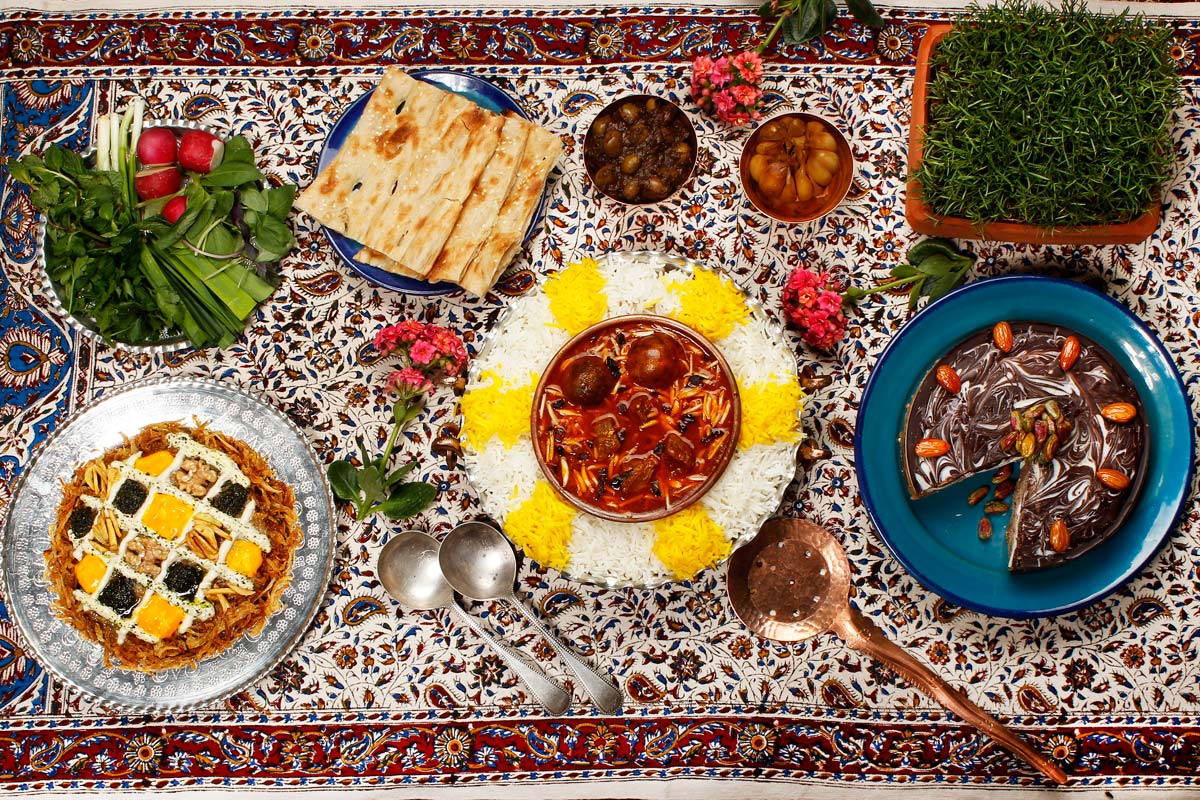
Iranian cuisine, a mosaic of flavors and traditions, is a testament to the country’s rich history and its strategic location as a crossroads of civilizations. This culinary tradition, deeply rooted in the ancient Persian Empire, reflects the diverse influences of nomadic tribes, ancient cultures, and neighboring empires. From the opulent courts of Persian kings to the humble hearths of rural homes, Iranian cuisine is a journey through time, offering a taste of history with every bite.

The Historical Tapestry

The history of Iranian cuisine is as old as the country itself. The ancient Persians were among the first to cultivate wheat, barley, and grapes, laying the foundation for a diet rich in bread, grains, and wine. The Achaemenid Empire, which stretched from the Balkans in the west to the Indus Valley in the east, brought together various cultures and cuisines, leading to the exchange of spices, fruits, and cooking techniques.

The advent of the Silk Road further enriched Iranian cuisine, introducing new ingredients such as rice, saffron, and sugar. These elements became integral to the Persian culinary repertoire, contributing to the creation of dishes that are still cherished today.

Key Elements of Iranian Cuisine

Iranian cuisine is characterized by its use of fresh ingredients, herbs, and spices. The flavors are a harmonious blend of sweet and savory, often accented with a touch of sour. Here are some key elements that define the taste of Iranian cuisine:

  • Herbs: Fresh herbs play a central role in Iranian cooking. Parsley, coriander, and mint are commonly used, often served fresh as part of a side dish or mixed into rice and stews.
  • Rice: As a staple food, rice is prepared in various ways, from the buttery, saffron-infused tahdig to the delicate chelo (steamed rice).
  • Saffron: Known as the “red gold,” saffron is extensively used in Iranian cuisine for its color, aroma, and flavor. It is a key ingredient in many dishes, including the famous saffron rice and various stews.
  • Fruit: Fresh and dried fruits are used in both savory and sweet dishes, adding a unique sweetness and texture. Pomegranate, in particular, is a favorite, used in everything from salads to stews.
  • Nuts: Almonds, pistachios, and walnuts are commonly used in both cooking and baking, adding a rich, nutty flavor to dishes.

Signature Dishes

Some of the most iconic dishes in Iranian cuisine include:

  • Ghormeh Sabzi: A hearty herb stew with kidney beans, lamb, and dried limes, served over rice.
  • Fesenjan: A pomegranate walnut stew, typically made with chicken or duck, known for its unique sweet and tangy flavor.
  • Chelo Kabab: Grilled meat (usually lamb, beef, or chicken) served with saffron rice, grilled tomatoes, and sometimes a side of sumac.
  • Baghala Ghatogh: A spring dish made with fava beans, dill, and lamb, symbolizing rebirth and renewal.

The Art of Hospitality

Beyond the dishes themselves, Iranian cuisine is also about the art of hospitality. Meals are a communal affair, shared with family and friends, often accompanied by tea or traditional drinks like doogh (a yogurt-based beverage). The dining experience is as important as the food itself, reflecting the warmth and generosity of Iranian culture.

Conclusion

The Iranian cuisine is more than just food; it is a living history, a narrative woven with the threads of ancient traditions and modern innovations. Each dish tells a story of the past, while also looking forward to the future. For those who partake in this culinary journey, it offers not just a taste of history, but a glimpse into the soul of Iran.