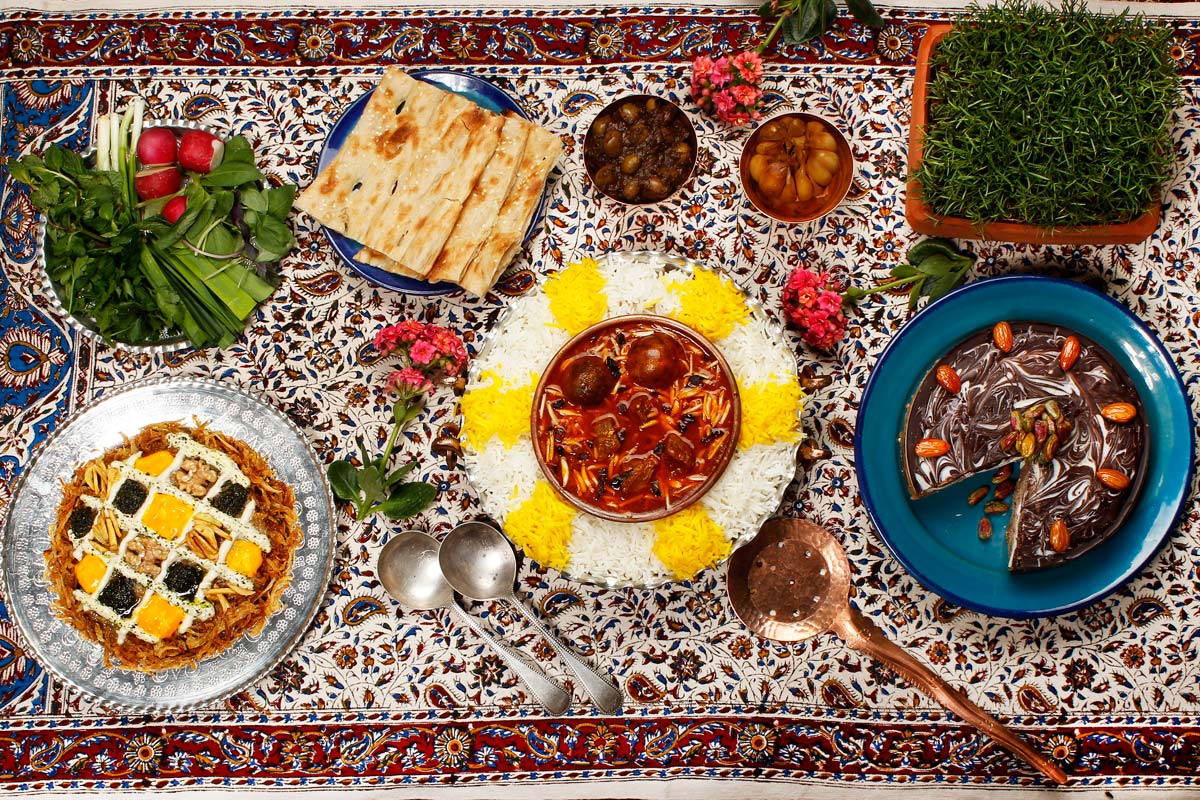
waynethomasyorke.com – The culinary traditions of royalty, a realm where opulence meets gastronomy, have long fascinated historians and food enthusiasts alike. The kitchens of kings and queens were not just places of sustenance but centers of cultural expression, political strategy, and artistic endeavor. This article delves into the world of royal cuisine, exploring the historical significance, the evolution of royal dining, and the impact of these culinary practices on the broader society.
The Historical Significance of Royal Cuisine
Royal cuisine has always been more than just food; it has been a reflection of wealth, power, and cultural sophistication. In ancient times, the ability to procure exotic ingredients from distant lands was a clear demonstration of a ruler’s reach and influence. For instance, the Roman Emperor Elagabalus was known for his extravagant banquets, which included dishes made from rare and expensive ingredients like peacock brains and flamingo tongues.
During the Middle Ages, the royal courts of Europe were centers of culinary innovation. The kings and queens of this era were patrons of the arts, including the art of cooking. The medieval banquet was not only a feast for the palate but also for the eyes, with dishes often designed to impress and astonish guests. The use of spices, which were as valuable as gold at the time, was a clear indicator of a ruler’s wealth and status.
The Evolution of Royal Dining
The Renaissance brought about significant changes in royal dining practices. This period saw the emergence of the modern dining etiquette, with an emphasis on refined manners and the use of individual plates and utensils. The French court, under the reign of kings like François I and Louis XIV, became the epicenter of culinary excellence and etiquette, influencing royal courts across Europe.
The 18th and 19th centuries saw the rise of the royal chef as a celebrity in their own right. Figures like Marie-Antoine Carême, who cooked for European royalty and aristocrats, elevated French cuisine to new heights, developing the foundations of modern French cooking techniques and the grand presentation of dishes.
In the 20th century, royal cuisine began to reflect a more democratic approach, with a focus on national dishes and traditional recipes. This period also saw the opening of royal kitchens to the public, through books, television, and public events, making royal cuisine more accessible than ever before.
The Impact on Society
The culinary practices of kings and queens have had a profound impact on the development of national cuisines and dining etiquette. The spread of royal recipes and dining practices among the nobility and, eventually, the middle class, helped shape the culinary landscape of their respective countries.
Moreover, royal cuisine has been a vehicle for cultural exchange. The marriages between royal families from different countries led to the exchange of recipes and culinary techniques, enriching the cuisines of both nations. For example, the marriage of Catherine de’ Medici to Henry II of France is credited with introducing Italian cuisine to the French court, leading to the development of the French style of cooking that is admired worldwide today.
Conclusion
The gastronomy of kings and queens is a rich tapestry woven from the threads of history, culture, and culinary artistry. From the extravagant banquets of ancient emperors to the refined dining etiquette of Renaissance courts, royal cuisine has evolved, reflecting the changing societal and cultural landscape throughout the ages. Today, while the political power of monarchies has waned, their culinary legacy remains a source of fascination and inspiration, reminding us of the enduring power of food to connect, impress, and delight.