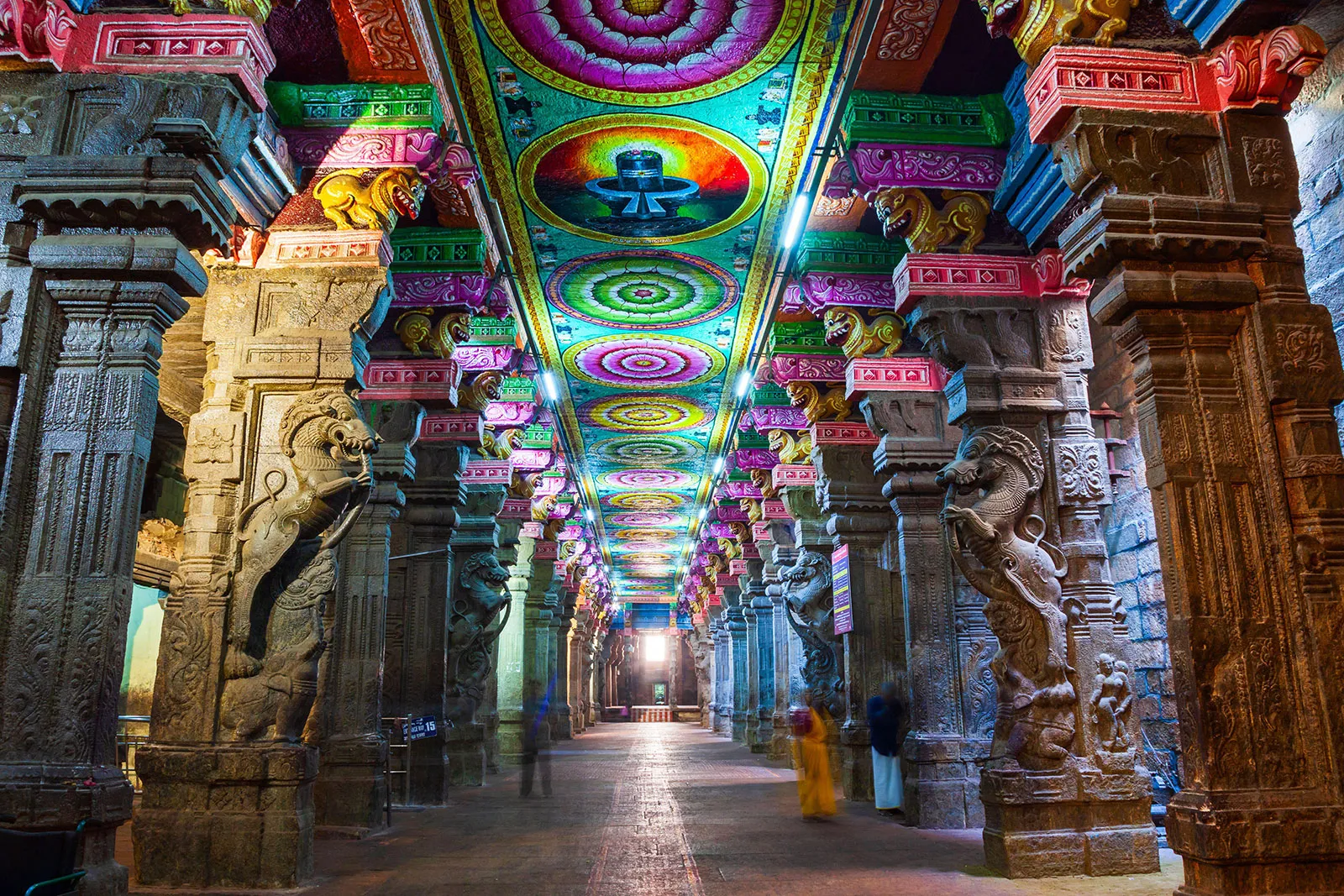
Madurai Meenakshi Temple: A Jewel of Dravidian Architecture

waynethomasyorke.com – Madurai Meenakshi Temple, located in the city of Madurai in Tamil Nadu, India, is a magnificent testament to Dravidian architecture and a sacred center for Hindu worship. Dedicated to Goddess Meenakshi, a form of Parvati, and her consort, Lord Sundareswarar (Shiva), the temple is a vibrant cultural and religious hub attracting millions of devotees and tourists each year.

Historical Background

The origins of Madurai Meenakshi Temple can be traced back to ancient times, with references in Tamil literature dating as far back as the 6th century BC. The temple, in its current form, was largely constructed during the Nayak Dynasty in the 16th and 17th centuries. King Thirumalai Nayak played a significant role in expanding and enhancing its grandeur, making it one of the finest examples of South Indian temple architecture.

Architectural Splendor

The temple complex spans over 14 acres and is renowned for its towering gopurams (gateway towers), intricate sculptures, and elaborate carvings. There are 14 gopurams in total, each adorned with thousands of colorful figures depicting deities, mythical creatures, and legends from Hindu mythology.

The temple’s inner sanctum houses the idols of Meenakshi and Sundareswarar, surrounded by beautifully carved pillars and vibrant frescoes. The Hall of Thousand Pillars, with its intricately carved columns, is a marvel of engineering and artistry, showcasing the skill and creativity of ancient craftsmen.

Religious and Cultural Significance

Madurai Meenakshi Temple is a vital center for Hindu worship and spirituality. It is especially significant for followers of the Shaivism tradition. The temple’s daily rituals, vibrant festivals, and cultural events draw thousands of devotees who come to seek blessings and participate in the spiritual experience.

The annual Meenakshi Thirukalyanam, a grand celestial wedding festival, celebrates the divine marriage of Meenakshi and Sundareswarar. This festival, marked by colorful processions, music, and dance, is a highlight of the temple’s religious calendar.

Symbol of Tamil Heritage

Beyond its religious importance, Madurai Meenakshi Temple is a symbol of Tamil culture and heritage. It reflects the artistic achievements and architectural brilliance of the Tamil people throughout history. The temple also serves as a center for classical Tamil music and dance, hosting performances and cultural programs that preserve and promote traditional art forms.

Preservation and Tourism

Efforts to preserve and maintain the temple’s architectural integrity are ongoing, with initiatives to protect its ancient structures and artworks. As a major tourist attraction, the temple contributes significantly to the local economy, welcoming visitors from around the world who come to admire its beauty and immerse themselves in its spiritual ambiance.

Conclusion

Madurai Meenakshi Temple stands as a timeless symbol of devotion, artistry, and cultural richness. Its awe-inspiring architecture and vibrant traditions continue to captivate and inspire, making it a must-visit destination for anyone exploring the spiritual and cultural heritage of India.

A Journey to Java’s Ancient Wonder: Borobudur Temple

waynethomasyorke.com – Nestled in the lush, verdant landscape of Central Java, Indonesia, Borobudur Temple stands as a testament to the rich cultural and religious heritage of the region. This ancient monument, dating back to the 9th century, is not only the world’s largest Buddhist temple but also a symbol of human adaptation with nature. Its rediscovery in the 19th century after centuries of being buried under volcanic ash and jungle growth, has made it a subject of fascination for historians, archaeologists, and travelers alike.

The Historical Significance of Borobudur

Borobudur’s construction is attributed to the Sailendra dynasty, which ruled Java from the 8th to the 10th centuries. The temple’s design is a reflection of the Buddhist cosmology, with its multiple levels symbolizing the path to enlightenment. The monument’s architecture and bas-reliefs depict the Buddhist teachings, making it an invaluable asset to the study of Buddhist art and culture in Southeast Asia.

The Architecture and Design

Borobudur’s architecture is a marvel of engineering and artistry. The temple consists of six square platforms topped by three circular platforms, and it is adorned with 72 bell-shaped stupas. The monument’s base covers an area of about one square kilometer, and it is constructed from an estimated 2 million stone blocks. The temple’s design incorporates elements of the mandala, a geometric figure representing the universe in Hindu and Buddhist symbolism.

The Journey to Enlightenment

Visitors to Borobudur embark on a spiritual journey as they ascend the temple’s levels. The path is lined with 2,672 relief panels and 504 Buddha statues, each telling a story or teaching a lesson. The panels depict scenes from the life of the Buddha, the Jataka tales (stories of the Buddha’s past lives), and the Gandavyuha, a Mahayana Buddhist text that describes the pilgrimage to the Buddha Amitabha’s Pure Land.

The Restoration and Preservation Efforts

Over the centuries, Borobudur has faced numerous threats, including volcanic eruptions, earthquakes, and looting. The most significant restoration effort took place between 1975 and 1982, a project led by the Indonesian government and UNESCO. This restoration involved the dismantling and reconstruction of the entire monument, the removal of vegetation, and the conservation of the bas-reliefs and statues. The success of this project led to Borobudur’s inscription as a UNESCO World Heritage Site in 1991.

The Cultural and Spiritual Impact

Borobudur remains a significant site for pilgrimage and worship for Buddhists from around the world. The temple is particularly vibrant during the Waisak festival, which celebrates the birth, enlightenment, and death of the Buddha. For Indonesians, Borobudur is a source of national pride and an emblem of the country’s cultural diversity.

Conclusion

A visit to Borobudur Temple is more than just a journey through time; it is an exploration of the human spirit’s quest for enlightenment. As one of the world’s most significant archaeological sites, Borobudur continues to inspire awe and contemplation. Its survival through the centuries, despite natural disasters and human neglect, speaks to the enduring legacy of the monument and the profound impact it has on all who experience its serene beauty and profound wisdom.