Blizzards: The White Out Phenomenon

waynethomasyorke.com – Blizzards are formidable winter storms characterized by strong winds, heavy snowfall, and low visibility. These intense weather events can bring life to a standstill, disrupt transportation, and pose serious risks to safety. Understanding the nature of blizzards and how to prepare for them is essential for minimizing their impact.

What Defines a Blizzard?

A blizzard is defined by specific meteorological conditions:

  • Wind Speeds: Sustained winds or frequent gusts of 35 miles per hour (56 kilometers per hour) or greater.
  • Visibility: Visibility reduced to a quarter mile (0.4 kilometers) or less due to blowing snow.
  • Duration: These conditions must persist for at least three hours.

Blizzards can occur with falling snow, blowing snow, or both. The combination of wind and snow can lead to whiteout conditions, where visibility is severely reduced, making navigation extremely difficult.

Causes of Blizzards

Blizzards are typically caused by a combination of cold air, moisture, and lift:

  1. Cold Air: Arctic air masses create the cold temperatures necessary for snow.
  2. Moisture: Moisture is lifted from bodies of water or transported from other regions, providing the necessary precipitation.
  3. Lift: Atmospheric disturbances, such as low-pressure systems, lift the moist air, cooling it and causing snow to fall.

Impact of Blizzards

Blizzards can have significant impacts on communities:

  • Transportation Disruption: Roads become impassable, flights are canceled, and rail services are disrupted, stranding travelers.
  • Power Outages: Heavy snow and strong winds can down power lines, leading to widespread outages.
  • Health Risks: Exposure to cold and wind can cause hypothermia and frostbite. Additionally, shoveling snow can lead to physical strain and injuries.
  • Economic Impact: Businesses may close, and economic activities can be halted due to the storm’s disruption.

Safety Measures and Preparedness

Preparing for a blizzard involves several key steps:

  • Stay Informed: Monitor weather forecasts and heed warnings from meteorological services.
  • Create an Emergency Kit: Include essential items such as food, water, warm clothing, blankets, a flashlight, batteries, and a first-aid kit.
  • Winterize Your Home: Insulate windows and doors, and ensure your heating system is functioning properly.
  • Avoid Travel: Stay off roads during blizzards unless absolutely necessary. If trapped in a vehicle, remain inside and wait for help.
  • Check on Vulnerable Individuals: Ensure that elderly neighbors and those with special needs are safe and have adequate supplies.

Conclusion

Blizzards are powerful winter storms that can disrupt daily life and pose significant dangers. By understanding the conditions that lead to blizzards and taking proactive safety measures, individuals and communities can better weather these storms. Preparedness, vigilance, and community support are key to minimizing the impact of blizzards and ensuring safety during these challenging weather events.
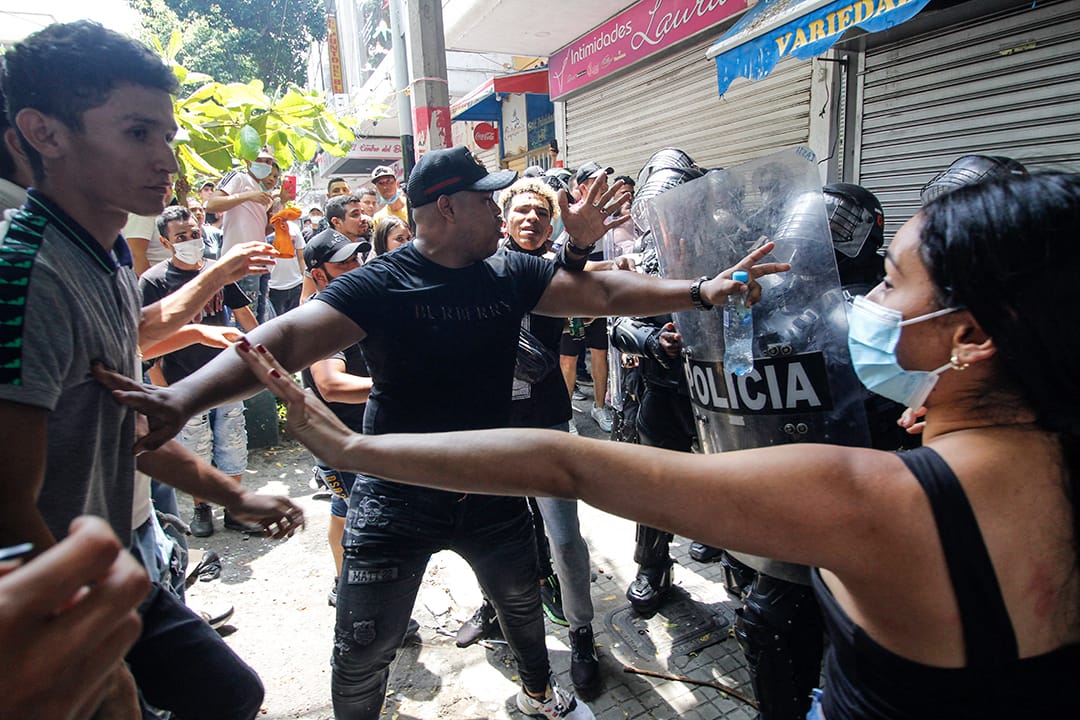
Combating Crime and Violence: Venezuela’s Public Safety Initiatives

waynethomasyorke.com – In 2024, Venezuela continues to grapple with significant public safety challenges, including high levels of crime and violence. Recognizing the urgent need to address these issues, the government, along with various organizations and communities, has implemented a series of initiatives aimed at combating crime and improving public safety. This article explores the key strategies and initiatives underway, highlighting their potential impact on reducing violence and enhancing security for Venezuelans.

Strengthening Law Enforcement Capabilities

One of the primary initiatives involves strengthening the capabilities of law enforcement agencies. This includes the provision of advanced training, modern equipment, and increased resources to enable police forces to more effectively combat crime. In 2024, these efforts have begun to show results, with law enforcement agencies demonstrating improved response times and effectiveness in apprehending criminals.

Community Policing and Engagement

Community policing initiatives have been established to foster better relationships between law enforcement agencies and the public. These initiatives aim to build trust, encourage community involvement in safety efforts, and provide a platform for citizens to report criminal activities. By engaging with communities, law enforcement agencies can better understand and address the root causes of crime, leading to more effective prevention strategies.

Urban Security Plans

Urban areas, particularly in major cities, have been the focus of targeted security plans. These plans include increased police patrols, installation of surveillance systems, and implementation of emergency response protocols. In 2024, these measures have contributed to a reduction in crime rates in several urban centers, providing a safer environment for residents and visitors alike.

Youth Programs and Education

Recognizing that prevention is key to reducing crime, various programs have been launched to engage and support youth. These programs focus on education, vocational training, and providing positive alternatives to involvement in criminal activities. By addressing the social and economic factors that contribute to youth crime, these initiatives aim to break the cycle of violence and create a safer future for all Venezuelans.

Rehabilitation and Reintegration

Efforts to rehabilitate and reintegrate offenders into society are crucial components of Venezuela’s public safety initiatives. Rehabilitation programs focus on education, job training, and counseling to help individuals rebuild their lives and contribute positively to society. Successful reintegration not only reduces recidivism but also strengthens community safety by reducing the overall crime rate.

Conclusion

Venezuela’s public safety initiatives represent a comprehensive approach to combating crime and violence. By strengthening law enforcement capabilities, engaging with communities, implementing urban security plans, supporting youth, and focusing on rehabilitation, the country is making strides toward a safer and more secure future. While challenges remain, the commitment to improving public safety is evident, and the ongoing efforts are crucial in addressing the root causes of crime and fostering a peaceful society.