The Depths: “Voyage to the Bottom of the Sea” (1961)

waynethomasyorke.com – “Voyage to the Bottom of the Sea” is a 1961 science fiction adventure film directed by Irwin Allen. Known as the “Master of Disaster” for his work on disaster films and television, Allen delivers a thrilling underwater odyssey that combines elements of suspense, action, and scientific imagination. This film captures the fascination with exploration and the unknown that defined much of the early 1960s sci-fi landscape.

Plot Overview

The story is set aboard the futuristic submarine Seaview, designed by the brilliant Admiral Harriman Nelson, played by Walter Pidgeon. As the Seaview embarks on a mission to explore the ocean’s depths, a catastrophic event occurs: the Van Allen radiation belt catches fire, threatening all life on Earth. The crew must devise a daring plan to save the planet by launching a nuclear missile at the belt to extinguish the flames. As they race against time, they face numerous challenges, including sabotage, enemy attacks, and the perilous environment of the deep sea.

Themes and Style

“Voyage to the Bottom of the Sea” explores themes of scientific curiosity, human ingenuity, and the battle against natural disasters. The film reflects the Cold War era’s fascination with technology and the potential for disaster, while also highlighting the spirit of adventure and exploration. With its imaginative special effects and futuristic submarine design, the film creates a visually captivating and suspenseful atmosphere.

Cast and Performances

The film features a strong cast, with Walter Pidgeon leading as the determined and visionary Admiral Nelson. Supporting roles are filled by actors such as Robert Sterling, Joan Fontaine, and Barbara Eden, who contribute to the film’s dynamic and engaging narrative. The performances effectively convey the tension and urgency of the crew’s mission, as well as the camaraderie and conflicts that arise under pressure.

Reception and Legacy

Upon its release, “Voyage to the Bottom of the Sea” was well-received for its special effects and thrilling storyline. It became a significant influence in the genre of underwater adventures and spawned a successful television series of the same name, which aired from 1964 to 1968. The film’s blend of science fiction and adventure has cemented its status as a classic in the genre, appealing to audiences with its mix of excitement and speculative science.

Conclusion

“Voyage to the Bottom of the Sea” is a captivating journey into the mysterious and uncharted waters of the ocean. Through its compelling narrative and imaginative vision, the film invites viewers to ponder the possibilities of exploration and innovation. As a hallmark of 1960s science fiction, it continues to entertain and inspire with its timeless tale of adventure and heroism beneath the waves.
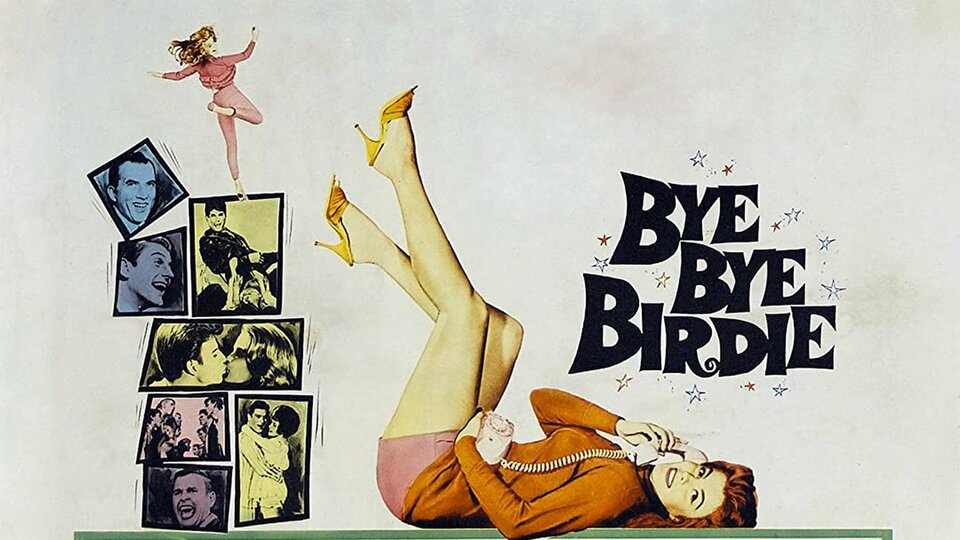
An Exploration of “Bye Bye Birdie” (1963)

waynethomasyorke.com – “Bye Bye Birdie,” released in 1963, is a musical comedy film directed by George Sidney. Based on the successful Broadway musical of the same name, the film is a vibrant and humorous take on the American teenage culture of the 1950s. With a lively cast, including Janet Leigh, Dick Van Dyke, Ann-Margret, and Bobby Rydell, “Bye Bye Birdie” captures the spirit of an era defined by rock ‘n’ roll and youthful enthusiasm.

Plot Overview

The film’s plot is set into motion when popular rock and roll star Conrad Birdie, played by Jesse Pearson, is drafted into the army. As a publicity stunt, a plan is devised for Conrad to give a farewell kiss to one lucky fan on “The Ed Sullivan Show” before he departs. The lucky fan chosen is Kim MacAfee, portrayed by Ann-Margret, a teenager from Sweet Apple, Ohio. The plans lead to a series of comedic and chaotic events involving Kim’s family, her jealous boyfriend Hugo Peabody (Bobby Rydell), and the show’s ambitious songwriter Albert Peterson, played by Dick Van Dyke, and his secretary/fiancĂ©e Rosie DeLeon, played by Janet Leigh.

Themes and Musical Numbers

“Bye Bye Birdie” explores themes of celebrity culture, generational conflict, and the impact of fame on ordinary lives. The film humorously portrays the frenzy and excitement surrounding a celebrity’s influence on American teenagers, while also highlighting the dreams and aspirations of the characters involved.

The film is renowned for its catchy musical numbers, including songs like “Put on a Happy Face,” “The Telephone Hour,” and “One Last Kiss.” These songs, along with the energetic choreography and colorful sets, contribute to the film’s enduring charm and appeal.

Performances and Direction

Ann-Margret’s performance as Kim MacAfee is a standout, showcasing her charisma and vibrant energy. Her rendition of the title song “Bye Bye Birdie” became iconic, further cementing her status as a star. Dick Van Dyke and Janet Leigh bring humor and warmth to their roles, while Jesse Pearson’s portrayal of Conrad Birdie captures the essence of a rock ‘n’ roll idol.

George Sidney’s direction emphasizes the comedic and satirical elements of the film, creating a lively and entertaining experience. The film’s visual style, with its bright colors and dynamic camera work, enhances the sense of fun and excitement.

Legacy and Cultural Impact

“Bye Bye Birdie” was a commercial success and remains a beloved classic in the musical comedy genre. Its depiction of teenage culture and celebrity influence continues to resonate with audiences. The film’s impact is evident in its ongoing popularity and its influence on later works that explore similar themes.

Conclusion

“Bye Bye Birdie” is a delightful musical comedy that captures the essence of 1960s American culture. With its engaging story, memorable music, and charismatic performances, the film offers a nostalgic look at a bygone era while maintaining its relevance and appeal to new generations. Its timeless humor and catchy tunes ensure that “Bye Bye Birdie” remains a cherished favorite among musical enthusiasts.

River of No Return (1954): A Western Adventure

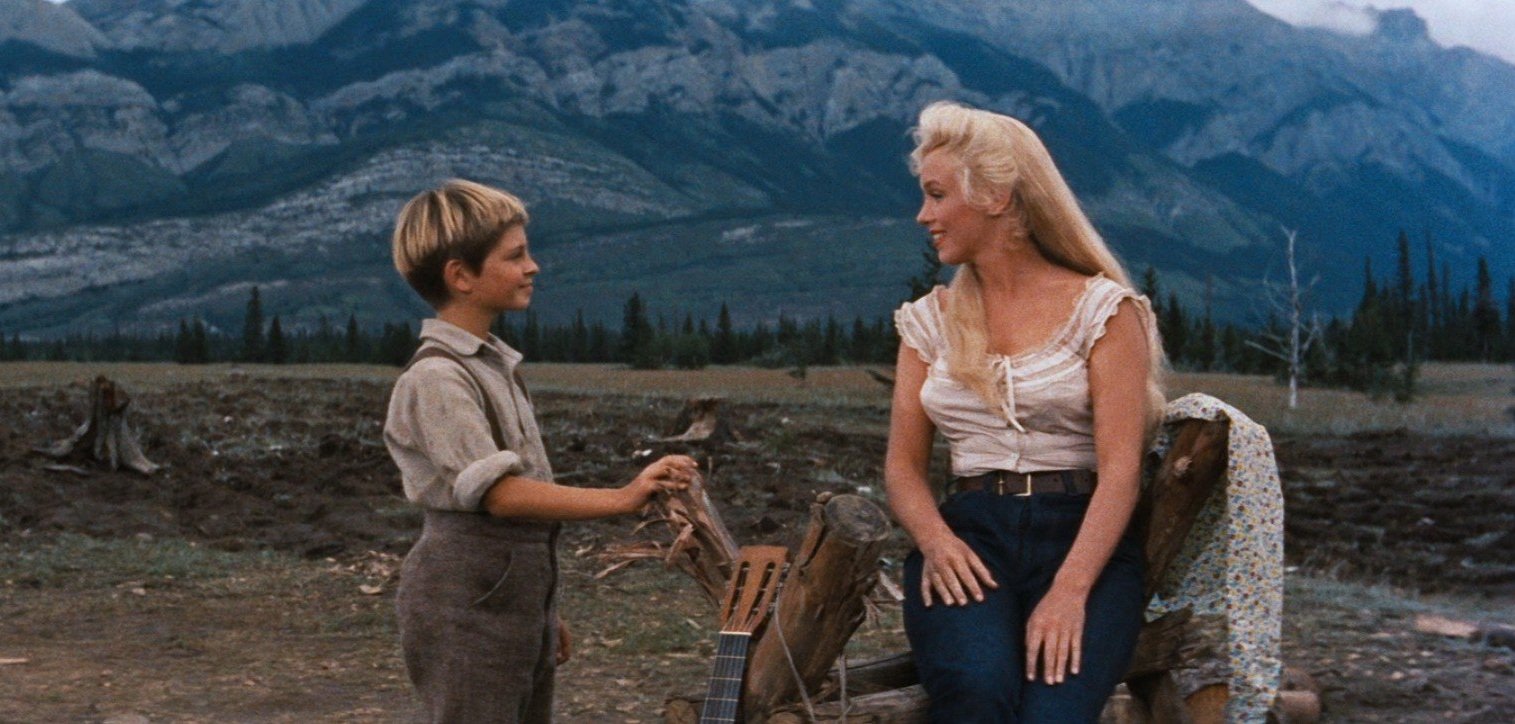
waynethomasyorke.com – “River of No Return” is a 1954 American Western film directed by Otto Preminger, starring Robert Mitchum and Marilyn Monroe. The film is set during the Gold Rush in the Northwestern United States and is known for its adventurous spirit and stunning natural scenery.

Plot Summary

The story follows Matt Calder, a farmer played by Robert Mitchum, who is living in a remote area with his young son, Mark. Their lives take a dramatic turn when they encounter a saloon singer, Kay Weston, portrayed by Marilyn Monroe, and her gambler fiancĂ©, Harry Weston, who are stranded after losing control of their raft. When Harry abandons Kay, taking Matt’s horse and rifle, Matt, Kay, and Mark are forced to navigate the treacherous river to pursue him. Along the way, they face numerous challenges, including hostile Native Americans and the harsh wilderness.

Themes and Style

“River of No Return” explores themes of survival, redemption, and the struggle against nature. The film combines elements of adventure and romance, capturing the rugged beauty of the American frontier. Its visual style is marked by sweeping landscapes and dynamic action sequences, which highlight the characters’ journey both physically and emotionally.

Production and Reception

Directed by Otto Preminger and produced by 20th Century Fox, the film was shot on location in the Canadian Rockies, providing a breathtaking backdrop for the storyline. The performances of Robert Mitchum and Marilyn Monroe were well-received, and Monroe’s musical numbers added a unique dimension to the film. While the movie received mixed critical reviews upon release, it was a commercial success and remains a notable entry in the Western genre.

Legacy

“River of No Return” is remembered for its compelling narrative and the iconic pairing of Mitchum and Monroe. It has been appreciated over the years for its portrayal of the untamed wilderness and the human spirit’s resilience. The film continues to be a favorite among Western enthusiasts and fans of classic cinema.

The Enchanting World of “Tooth Tale”

waynethomasyorke.com – “Tooth Tale” is an imaginative and captivating story that has captured the hearts of readers young and old. This enchanting tale weaves together elements of fantasy, adventure, and life lessons, making it not only entertaining but also educational.

The Origins of “Tooth Tale”

“Tooth Tale” began as a simple bedtime story, spun from the imagination of a creative storyteller. Its origins lie in the age-old tradition of oral storytelling, where tales were shared around campfires and in the coziness of family living rooms. As the story gained popularity, it was eventually written down and published, allowing it to reach a wider audience.

Plot Summary

At the heart of “Tooth Tale” is the journey of a young protagonist who embarks on an unexpected adventure after losing their first tooth. The protagonist discovers a magical world where teeth hold special powers and are essential to maintaining balance and harmony. Along the way, they meet a cast of whimsical characters, each with unique personalities and skills.

Themes and Lessons

“Tooth Tale” explores several important themes, including the value of courage, the importance of friendship, and the power of believing in oneself. Through the protagonist’s journey, readers learn that facing fears and overcoming challenges can lead to personal growth and self-discovery. The story also emphasizes the significance of community and working together towards a common goal.

The Impact of “Tooth Tale”

Since its publication, “Tooth Tale” has become a beloved story for children and families. It has inspired numerous adaptations, including animated films, theater productions, and even interactive experiences. The tale’s ability to resonate with audiences across generations is a testament to its universal appeal and timeless message.

Conclusion

“Tooth Tale” is more than just a story about a lost tooth; it is a journey filled with wonder, life lessons, and the magic of imagination. Its legacy continues to grow as new readers discover the joy and wisdom hidden within its pages. Whether you’re young or young at heart, “Tooth Tale” is a story that will leave a lasting impression.