Jessica: A Charming Tale of Love and Misunderstanding

waynethomasyorke.com – Jessica (1962) is a charming romantic comedy set in a picturesque Sicilian village. Directed by Jean Negulesco, the film stars Angie Dickinson as Jessica, an American midwife who arrives in the small town to work as a replacement for the local midwife.

A Fish Out of Water

Jessica, with her striking beauty and American charm, quickly turns heads in the sleepy village. The men are captivated by her, while the women are wary of her influence on their husbands. The townswomen, fearing that Jessica will steal their men, devise a plan to boycott sex, hoping to drive Jessica out of town.

A Loveable Cast

Angie Dickinson shines as the alluring and independent Jessica. Her performance is both captivating and comedic, as she navigates the complex dynamics of the small village. The film also features a strong supporting cast, including Maurice Chevalier as the wise and compassionate Father Antonio, who tries to mediate the conflict between the villagers.

A Romantic Comedy with a Heart

Jessica is a heartwarming film that explores themes of love, friendship, and community. The film’s beautiful cinematography captures the stunning Italian countryside, while its witty dialogue and charming characters provide plenty of laughs. Despite its lighthearted tone, the film also delves into more serious issues, such as the role of women in society and the importance of understanding and tolerance.

A Timeless Classic

Jessica is a timeless classic that continues to entertain audiences with its charming story and memorable characters. The film’s blend of romance, comedy, and cultural exploration makes it a delightful watch. Whether you’re a fan of classic Hollywood cinema or simply looking for a heartwarming and humorous film, Jessica is sure to please.

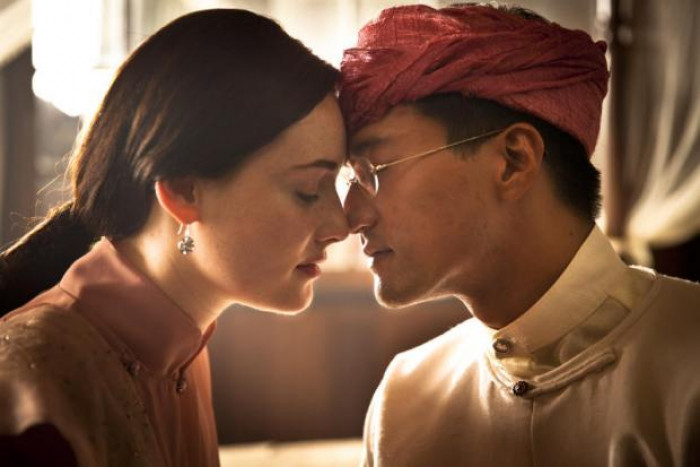
Tropical Malady: A Exploration of Love and Myth (2004)

waynethomasyorke.com – “Tropical Malady,” also known as “Sud Pralad,” is a 2004 Thai film directed by Apichatpong Weerasethakul. Renowned for its innovative narrative structure and poetic visuals, the film won the Jury Prize at the Cannes Film Festival. “Tropical Malady” is a profound exploration of love, identity, and the intersection of human and mythic realms, solidifying Weerasethakul’s reputation as a visionary filmmaker.

Plot Overview

The film is divided into two distinct yet interrelated segments. The first half tells the tender story of a burgeoning romance between Keng, a young soldier, and Tong, a country boy. Their relationship unfolds against the backdrop of the lush Thai countryside, capturing moments of intimacy and affection. The second half of the film takes a dramatic turn, delving into a mythical tale where Keng embarks on a surreal journey through the jungle, pursuing a shape-shifting shaman who may be linked to Tong. This segment blurs the lines between reality and myth, creating a dreamlike narrative that challenges conventional storytelling.

Themes and Symbolism

“Tropical Malady” explores themes of love, transformation, and the duality of human nature. The film juxtaposes the simplicity of human relationships with the complexity of mythical folklore, suggesting that love itself can be a transformative and enigmatic force. The jungle serves as a powerful symbol of the subconscious, representing both the unknown and the primal instincts within us. Through its spiritual and mystical elements, the film invites viewers to reflect on the nature of identity and the fluid boundaries between humans and the natural world.

Cinematic Style

Apichatpong Weerasethakul’s direction is characterized by its meditative pace and evocative imagery. The film’s visual storytelling relies heavily on the natural beauty of the Thai landscape, using light and shadow to create an ethereal atmosphere. The sound design further enhances this ambiance, blending ambient noises with the soundtrack to immerse the audience in the environment. Weerasethakul’s use of minimal dialogue and long takes allows the film to unfold like a visual poem, encouraging introspection and emotional resonance.

Critical Reception

“Tropical Malady” received widespread critical acclaim for its bold narrative structure and artistic vision. Critics praised its ability to transcend conventional genres, offering a unique cinematic experience that is both intellectually stimulating and emotionally engaging. While its abstract storytelling may challenge some viewers, the film’s exploration of universal themes has resonated with audiences worldwide, earning it a place among the most celebrated works of contemporary cinema.

Conclusion

“Tropical Malady” is a captivating film that defies traditional narrative conventions, offering a profound meditation on love and myth. Its distinctive structure and mesmerizing visuals create a cinematic journey that lingers in the mind long after the credits roll. For those seeking a film that challenges perceptions and celebrates the beauty of ambiguity, “Tropical Malady” is an unforgettable experience, showcasing Apichatpong Weerasethakul’s masterful storytelling and artistic prowess.

Asian-Western Marriage Stories: Love Without Borders

waynethomasyorke.com – In an increasingly globalized world, love knows no boundaries. Asian-Western marriages are a testament to this, blending cultures, traditions, and experiences to create unique and beautiful unions. These marriages often navigate the complexities of different backgrounds, languages, and expectations, yet they thrive on mutual respect, understanding, and love. This article delves into the stories of couples who have bridged continents to build their lives together, exploring the challenges they face and the joys they share.

The Journey to Love

Many Asian-Western couples meet through international travel, education, or work opportunities. Their paths cross in diverse settings, from bustling city streets to serene university campuses. The initial attraction is often sparked by curiosity and fascination with the other’s culture, leading to deeper connections rooted in shared values and mutual affection.

Cultural Fusion

Asian-Western marriages are a rich tapestry of cultural fusion. Couples blend traditions, from the vibrant colors of an Indian wedding to the solemn vows of a Western ceremony. They navigate the nuances of family expectations, balancing the desire to honor their heritage with the need to forge their own path. This fusion is not without its challenges, but it enriches their relationship and broadens their horizons.

Overcoming Challenges

Language barriers, differing family dynamics, and societal expectations are just a few of the hurdles Asian-Western couples face. Communication is key, as partners learn to express themselves across linguistic and cultural divides. They also work to bridge the gap between their families, educating each side about the other’s customs and values. Despite these challenges, the love and commitment of these couples shine through, strengthening their bond and deepening their connection.

The Joys of Unity

The joy of an Asian-Western marriage lies in the celebration of diversity. Couples revel in the opportunity to explore new cultures, cuisines, and perspectives. They create a unique identity that honors their past while embracing their future together. The children of these unions grow up with a rich heritage, learning to navigate the world with a global mindset.

Conclusion

Asian-Western marriages are a beautiful reflection of our interconnected world. They remind us that love transcends borders and that unity in diversity is not just possible but enriching. As these couples continue to build their lives together, they inspire others to look beyond differences and embrace the beauty of love without borders.