The Ocean’s Secret Ecosystems: Life in the Depths

waynethomasyorke.com – The ocean’s depths are home to some of the most mysterious and fascinating ecosystems on Earth. Far from the sunlit surface, these hidden realms are characterized by extreme conditions, yet they teem with life. From the eerie darkness of the abyss to the volcanic vents that support unique communities, the deep sea is a treasure trove of biodiversity. This article explores the secret ecosystems of the ocean, the remarkable adaptations of deep-sea life, and the importance of these hidden worlds.

The Abyss: Life in the Dark

The Deep Sea Environment

The abyss, the deepest layer of the ocean, is a world of perpetual darkness and immense pressure. Temperatures hover just above freezing, and the lack of sunlight means that photosynthesis is impossible. Despite these harsh conditions, the abyss is home to a diverse array of life forms.

Adaptations for Survival

Deep-sea organisms have developed remarkable adaptations to survive in the abyss. Many creatures, such as anglerfish, use bioluminescence to attract prey or mates. Others, like the giant squid, have enormous eyes and other sensory organs to navigate the dark waters. The ability to withstand high pressure and cold temperatures is another crucial adaptation for life in the deep.

Hydrothermal Vents: Oases of Life

A Unique Ecosystem

Hydrothermal vents are one of the most astonishing ecosystems in the deep sea. These underwater hot springs occur where tectonic plates meet, and they release superheated water rich in minerals. The vents create oases of life in an otherwise barren environment.

Chemosynthetic Life

The ecosystem around hydrothermal vents is based on chemosynthesis, a process where bacteria convert chemical energy from the vents into organic matter. These bacteria form the base of a complex food web that supports a variety of organisms, including giant tube worms, crabs, and fish. The discovery of hydrothermal vents challenged our understanding of life’s requirements and opened new frontiers in the study of extreme environments.

Cold Seeps: Life Without Sunlight

An Alternative Energy Source

Cold seeps are another remarkable deep-sea ecosystem, found where hydrocarbons and other minerals seep out of the seafloor. Unlike hydrothermal vents, cold seeps do not release hot water, but they still support unique communities of life.

Bacterial Mats and Chemosynthesis

Cold seeps are often covered in bacterial mats that thrive on the chemical energy from the seeping minerals. These bacteria, along with other chemosynthetic organisms, support a diverse range of species, including mussels, clams, and shrimp. Cold seeps demonstrate the resilience of life and its ability to find energy sources in the most unexpected places.

The Importance of Deep-Sea Ecosystems

Biodiversity and Discovery

The deep sea is a vast reservoir of biodiversity, with many species yet to be discovered. The unique conditions of deep-sea ecosystems have led to the evolution of novel adaptations and life strategies, offering insights into the potential for life in extreme environments.

Conservation Challenges

The deep sea is under threat from various human activities, including deep-sea mining, overfishing, and pollution. These activities can disrupt the delicate balance of deep-sea ecosystems, with potentially far-reaching consequences. Conservation efforts are essential to protect these hidden worlds and the life they support.

Conclusion

The ocean’s secret ecosystems are a testament to the resilience and diversity of life on Earth. From the dark abyss to the volcanic vents, the deep sea is a realm of wonder and discovery. As we continue to explore these hidden worlds, we must also commit to protecting them. Through sustainable management and conservation, we can ensure that the deep sea’s secrets are preserved for future generations.
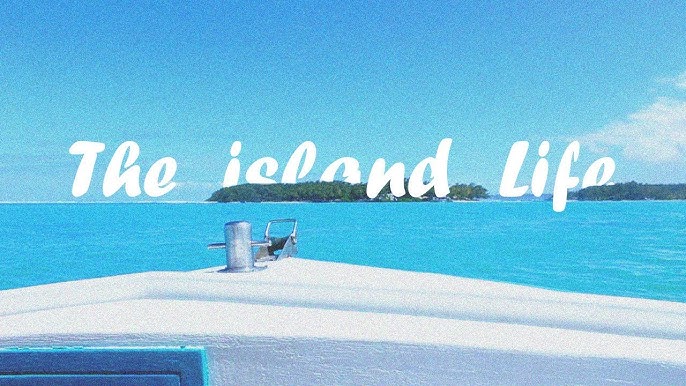

A Glimpse into Island Life: Nihau Early Evening Eats

waynethomasyorke.com – As the sun begins to set, casting a golden hue over the tranquil waters of the Pacific, Nihau transforms into a serene paradise that beckons food enthusiasts and travelers alike. The early evening on this secluded island is the perfect time to indulge in the simple yet flavorful cuisine that reflects the island’s rich cultural heritage and close-knit community.

The Art of Nihau Early Evening Eats

The early evening eats on Nihau are a testament to the island’s deep connection with the land and sea. Each dish is a masterpiece crafted from the freshest ingredients, prepared with traditional techniques that have been passed down through generations.

  • Local Seafood: The menu often starts with an array of seafood delicacies, such as poke made from line-caught fish, grilled shrimp, and freshly shucked oysters. These dishes are seasoned with just a touch of sea salt and lime, allowing the natural flavors to shine.
  • Homegrown Produce: Vegetables and fruits grown in Nihau’s fertile soil are the stars of the early evening eats. Dishes like grilled pineapple, coconut-infused sweet potatoes, and a variety of local greens showcase the island’s bounty.
  • Traditional Recipes: The culinary traditions of Nihau are alive in dishes like laulau, a bundle of pork or fish wrapped in taro leaves and steamed until tender. These recipes are not only delicious but also a link to the island’s past.

The Perfect Setting

The early evening eats on Nihau are best enjoyed outdoors, where the beauty of the island can be fully appreciated. Many gatherings take place on the beach, with tables set up under the shade of swaying palm trees. The sound of the waves and the gentle breeze create an ambiance that is both relaxing and invigorating.

A Feast for the Senses

The Nihau early evening eats are more than just a meal; they are an experience that engages all the senses. The vibrant colors of the dishes, the aroma of the grilled seafood and vegetables, the taste of the traditional recipes, the sound of the ocean, and the feel of the sand underfoot combine to create a memorable dining experience.

Planning Your Nihau Early Evening Eats

To fully enjoy the Nihau early evening eats, it’s essential to plan your visit during the early evening hours, when the island is bathed in the soft light of the setting sun. Many local events and gatherings are organized around this time, offering visitors a chance to experience the island’s cuisine in a festive and welcoming atmosphere.

In conclusion, the Nihau early evening eats are a window into the soul of the island, offering a glimpse into the daily life and cultural traditions of its inhabitants. Whether you’re a food enthusiast, a culture aficionado, or simply looking to unwind, this culinary experience promises to deliver an evening of pure island bliss.

Alexia Juliana Marcela Laurentien: Princess of Netherlands Life

waynethomasyorke.com – Alexia Juliana Marcela Laurentien, Princess of the Netherlands, is a prominent figure in the Dutch royal family, known for her dedication to education and various personal interests. Born on June 26, 2005, at HMC Bronovo in The Hague, she is the second daughter of King Willem-Alexander and Queen Máxima, and second in line of succession to the Dutch throne.

Early Life and Education

Princess Alexia’s early years were marked by a strong emphasis on education and personal development. She completed four years of secondary school at the Christelijk Gymnasium Sorghvliet in The Hague1. In 2021, she embarked on a new academic journey at the United World College of the Atlantic (UWC Atlantic) in Llantwit Major, Wales, where she pursued her International Baccalaureate. This move was significant as it marked a continuation of her studies in a prestigious international institution, furthering her academic and personal growth.

Personal Interests and Hobbies

Beyond her academic pursuits, Princess Alexia has a variety of personal interests that reflect her diverse talents and passions. She is known to enjoy activities such as hockey, horse riding, singing, and playing the piano. These hobbies not only contribute to her well-being but also showcase her multifaceted personality.

Family and Injury

In February 2016, while on a skiing holiday with her family in Austria, Princess Alexia suffered a significant injury, breaking her right femur. She was promptly transported to a local hospital and underwent surgery to repair the injury. Despite this setback, she displayed resilience and a positive attitude during her recovery.

Public and Royal Duties

As a member of the Dutch royal family, Princess Alexia participates in various public and royal duties, which are an integral part of her role. These engagements help her connect with the Dutch public and contribute to the royal duties expected of her position.

Conclusion

Alexia Juliana Marcela Laurentien, Princess of the Netherlands, is a young woman of remarkable talent and dedication. Her journey from a young princess to a student at a prestigious international school reflects her commitment to personal and academic growth. With a bright future ahead, Princess Alexia continues to inspire and engage with the world around her, embodying the values of the Dutch royal family.

Life on a Sunny Island Paradise: Tropical Dreams

waynethomasyorke.com – The allure of a sunny island paradise is a siren call that beckons the weary and the adventurous alike. It’s a place where the sun kisses the horizon, the sea whispers ancient tales, and the air is laden with the scent of tropical blooms. Life on such an island is a blend of simplicity, beauty, and a rhythm that is dictated by the elements. This article takes you on a journey to explore the essence of living in a tropical island paradise, where every day is a dream come true.

The Essence of Island Life: Life on a tropical island is a testament to the beauty of nature. The days are punctuated by the rising and setting of the sun, with the golden hues painting the sky in breathtaking colors. The pace of life is leisurely, allowing for moments of reflection and connection with the natural surroundings. The locals, often with a smile as warm as the sun, live in harmony with the environment, respecting its offerings and preserving its splendor for generations to come.

Embracing Nature: The heart of island life is an intimate relationship with nature. The lush greenery, the vibrant coral reefs, and the diverse wildlife are not just attractions but integral parts of daily life. Islanders often start their day with a swim in the crystal-clear waters or a hike through the verdant forests, where the air is fresh and the sounds of nature are a symphony to the soul. The bounty of the sea and the land provides sustenance, with fresh seafood and tropical fruits gracing every meal.

Community and Culture: The island community is a tapestry of diverse cultures, woven together by a shared love for their home. Festivals and celebrations are vibrant affairs, with music, dance, and traditional customs that have been passed down through generations. The sense of community is strong, with neighbors helping each other and coming together to celebrate life’s milestones. The rich tapestry of cultural heritage is a source of pride and a beacon for visitors seeking authentic experiences.

Sustainable Living: Living on a tropical island paradise also means embracing sustainable practices. The delicate balance of the ecosystem demands respect and care. Islanders often rely on renewable energy sources, such as solar and wind power, to reduce their carbon footprint. Conservation efforts are a priority, with initiatives to protect marine life, preserve natural habitats, and promote eco-tourism that respects the environment.

The Joys and Challenges: While life on a sunny island paradise is idyllic, it is not without its challenges. The isolation can be a double-edged sword, offering tranquility but also limiting access to modern conveniences and healthcare. The island’s economy may be heavily reliant on tourism, making it vulnerable to global events and environmental changes. Yet, the resilience of the islanders, their adaptability, and their unwavering spirit ensure that the paradise remains a beacon of hope and joy.

Conclusion: Life on a tropical island paradise is a unique blend of natural beauty, cultural richness, and a deep connection with the environment. It is a reminder of the simple pleasures in life and the importance of living in harmony with nature. For those who visit, it is a chance to escape the hustle and bustle of the modern world and immerse themselves in a dream-like existence. For those who call it home, it is a way of life that is both a privilege and a responsibility. In the end, a sunny island paradise is not just a destination; it is a state of mind, a lifestyle, and a testament to the beauty of the world we live in.