Norman Bates: The Psycho – The Creation of a Horror Icon

waynethomasyorke.com – Norman Bates, the infamous character from Alfred Hitchcock’s classic film “Psycho,” is one of the most chilling figures in cinematic history. Known for his unsettling demeanor and complex psychological profile, Norman Bates has become synonymous with horror and suspense. This article delves into the character’s origins, psychological intricacies, and lasting impact on the thriller genre.

The Creation of a Horror Icon

Norman Bates was first introduced in Robert Bloch’s 1959 novel “Psycho,” which was later adapted into the 1960 film by Alfred Hitchcock. Inspired by real-life serial killer Ed Gein, Bloch crafted a character whose seemingly ordinary exterior concealed a deeply disturbed mind. Anthony Perkins’ portrayal of Norman Bates in the film brought the character to life, cementing his status as a horror icon.

A Troubled Past

Norman Bates’ life is marked by a troubled past, dominated by an overbearing and manipulative mother. Raised in isolation, Norman’s relationship with his mother was both toxic and consuming. Her oppressive influence left him unable to form healthy relationships and contributed to the development of his split personality, where he adopts his mother’s persona to cope with stress and guilt.

The Bates Motel

The Bates Motel, a secluded and eerie establishment, serves as the primary setting for Norman’s story. Its isolation mirrors Norman’s own detachment from reality and society. The motel becomes the scene of his psychological unraveling, where guests unknowingly become entangled in his dark and twisted world. The setting plays a crucial role in building suspense and tension throughout the narrative.

Psychological Complexity

Norman Bates is a character defined by his psychological complexity. His dissociative identity disorder manifests as the “Mother” personality, which takes control during moments of stress or anger. This condition blurs the line between Norman’s identity and his mother’s, leading to a series of tragic and violent events. His character challenges audiences to explore themes of mental illness, identity, and the impact of childhood trauma.

Legacy and Influence

Norman Bates’ influence extends far beyond the “Psycho” franchise. His character has become a template for the psychologically complex villain, inspiring countless films and television shows. The suspense and horror elements introduced by Hitchcock’s adaptation have left an indelible mark on the thriller genre, influencing directors and writers to explore the darker aspects of human psychology.

Conclusion

Norman Bates, the Psycho, remains a quintessential figure in the world of horror and suspense. His story is a haunting exploration of mental illness, identity, and the powerful influence of family. Through his character, audiences are drawn into a world of psychological terror, where the line between sanity and madness is perilously thin. Norman Bates’ legacy endures as a testament to the enduring power of storytelling and the chilling depths of the human mind.
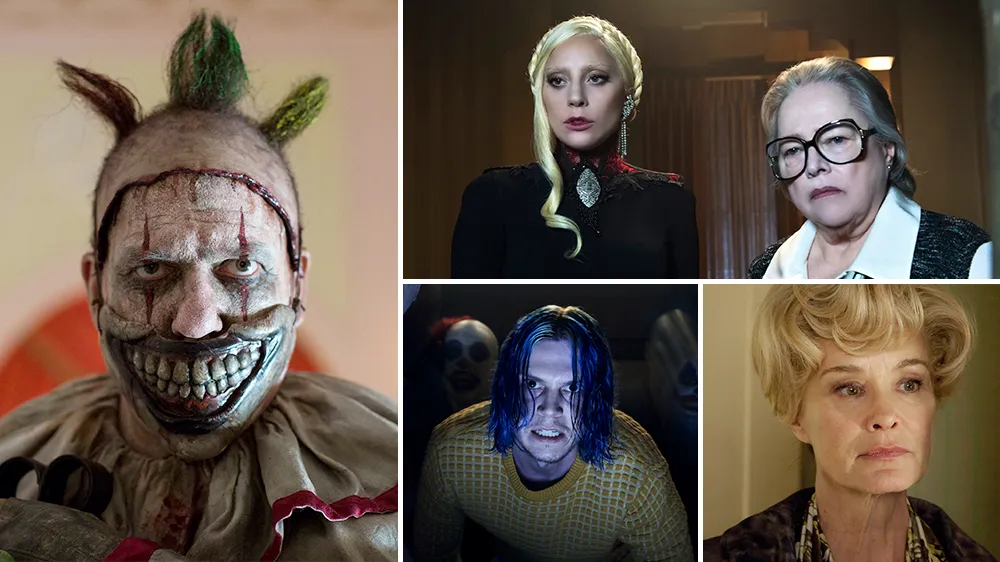
American Horror Story: Fear and Mystery

waynethomasyorke.com – “American Horror Story” is a critically acclaimed American horror television series created by Ryan Murphy and Brad Falchuk. The show is known for its anthology format, where each season presents a different story with a new set of characters and settings. The series debuted on October 5, 2011, on FX and has since become a cultural phenomenon, captivating audiences with its blend of horror, suspense, and psychological drama.

The First Season: Murder House

The first season, titled “Murder House,” sets the stage for the series’ dark and eerie atmosphere. The story revolves around the Harmon family—Ben (Dylan McDermott), Vivien (Connie Britton), and their daughter Violet (Taissa Farmiga)—who move from Boston to Los Angeles. The family’s relocation is prompted by Ben’s infidelity and Vivien’s miscarriage, leading them to seek a fresh start in a new home.

The House and Its Secrets

The Harmon family’s new residence is a grand mansion with a dark history. The previous owners, a gay couple named Chad and Patrick, were brutally murdered in the house. The house’s new neighbors, Constance (Jessica Lange) and her daughter Adelaide (Jamie Brewer), are also deeply connected to the house’s past. Constance, in particular, is revealed to be the mother of Tate Langdon (Evan Peters), a ghost who haunts the house.

The Haunting Begins

As the Harmon family settles into their new home, they begin to experience a series of supernatural events. Ben, a former psychiatrist, sets up his office in the house and takes on a new patient, Tate, who is actually a ghost. Tate and Violet develop a relationship, unbeknownst to Ben that Tate is a spirit. The house is also inhabited by other ghosts, including Larry Harvey (Dennis O’Hara), a former resident who was severely burned, and Moira O’Hara (Frances Conroy), a mysterious housekeeper who appears differently to men and women.

The Unraveling

The season culminates in a series of violent and tragic events. Vivien discovers a latex bodysuit in the attic and later witnesses a man wearing it, believing it to be Ben. However, the man is actually Tate, who rapes her. Vivien becomes pregnant with twins, but it is revealed that the twins have different fathers—Ben and Tate. The season ends with the Harmon family’s lives in shambles, haunted by the house’s dark past and the ghosts that dwell within.

Critical Reception and Awards

“Murder House” received widespread critical acclaim for its compelling storytelling, strong performances, and atmospheric setting. The season won several awards, including the Primetime Emmy Award for Outstanding Miniseries, Outstanding Lead Actress in a Miniseries or Movie for Jessica Lange, and Outstanding Supporting Actress in a Miniseries or Movie for Connie Britton.

Conclusion

“American Horror Story” has established itself as a cornerstone of modern horror television, with “Murder House” setting the tone for the series’ exploration of fear, mystery, and the supernatural. The first season’s success laid the groundwork for future installments, each offering a new and terrifying experience for viewers.