9/11: The Day That Changed America

waynethomasyorke.com – On September 11, 2001, the United States experienced a series of coordinated terrorist attacks that would forever alter the course of its history. This day, now simply referred to as 9/11, marked a turning point in American society, security, and foreign policy. The attacks were carried out by 19 militants associated with the extremist group al-Qaeda, led by Osama bin Laden.

The Morning of Terror

The day began with the hijacking of four commercial airplanes. American Airlines Flight 11 and United Airlines Flight 175 were flown into the North and South Towers of the World Trade Center in New York City, respectively. The impact and subsequent fires caused both towers to collapse within hours, leading to the deaths of nearly 3,000 people.

Simultaneously, American Airlines Flight 77 was crashed into the Pentagon, the headquarters of the United States Department of Defense, resulting in the loss of 184 lives. The fourth plane, United Airlines Flight 93, was headed for a target in Washington, D.C., but crashed into a field in Pennsylvania after passengers attempted to overcome the hijackers, preventing further loss of life.

Aftermath and Response

The attacks on 9/11 were the deadliest terrorist act in world history and led to immediate and long-term consequences. The United States declared a war on terror, beginning with the invasion of Afghanistan in October 2001 to dismantle al-Qaeda and remove the Taliban from power.

The U.S. government also enacted the USA PATRIOT Act, enhancing law enforcement surveillance and investigatory powers. The Transportation Security Administration (TSA) was created to oversee airport security, leading to significant changes in how Americans travel.

Impact on American Society

9/11 had a profound impact on American society, fostering a sense of vulnerability and a collective trauma that resonated across the nation. The attacks led to a heightened sense of nationalism and unity, as well as a period of mourning and reflection.

The events also influenced American culture, with numerous memorials, museums, and artistic works dedicated to the victims and the day’s impact. The National September 11 Memorial & Museum in New York City serves as a powerful reminder of the tragedy and its victims.

Conclusion

The day that changed America, 9/11, remains a somber reminder of the fragility of peace and the resilience of the human spirit. It has shaped the world in which we live today, influencing global politics, security measures, and the ongoing fight against terrorism. As the years pass, the memory of 9/11 continues to serve as a call to vigilance, unity, and remembrance of those who were lost.
The Evolution of Plastic Surgery in America

Plastic surgery, once a niche field of medicine, has grown exponentially in America, becoming a multibillion-dollar industry that caters to both functional reconstructive needs and aesthetic desires. This transformation has been fueled by technological advancements, changing societal attitudes, and the influence of media and celebrity culture. In this article, we will explore the evolution of plastic surgery in America, its current landscape, and the ethical considerations that surround it.

The Early Years:
The roots of plastic surgery in America can be traced back to the early 20th century, with significant developments occurring during and after World War I and II. Surgeons like Harold Gillies in the UK and his cousin Millard in the US pioneered techniques for reconstructing the faces of soldiers disfigured by war. These early efforts laid the groundwork for what would become the American Society of Plastic Surgeons (ASPS) in 1931.

Post-War Boom:
The post-World War II era saw a boom in plastic surgery as veterans sought reconstructive procedures and the general public began to embrace cosmetic enhancements. The introduction of local anesthesia and antibiotics made surgeries safer and more accessible. The 1960s and 1970s witnessed the development of silicone breast implants and the popularization of procedures like rhinoplasty and facelifts.

The Rise of Cosmetic Surgery:
The late 20th century marked the rise of cosmetic surgery as an elective option for the American public. Television shows and reality TV series like “Extreme Makeover” glamorized the process, making it a household topic. The American Academy of Cosmetic Surgery (AACS) was established in 1985, reflecting the field’s growing specialization.

Technological Advancements:
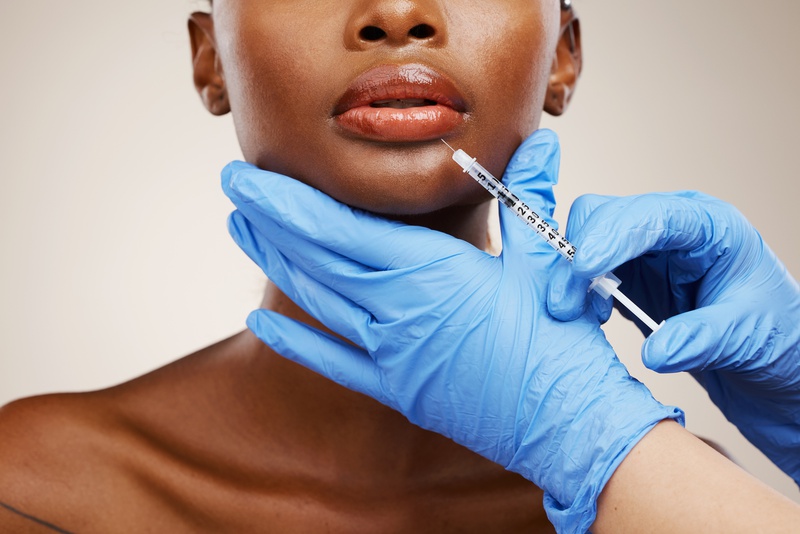
Technological innovations have been a driving force behind the expansion of plastic surgery. Minimally invasive techniques, such as endoscopic facelifts and laser resurfacing, have reduced recovery times and increased patient comfort. The advent of non-surgical options, including Botox, dermal fillers, and laser treatments, has broadened the scope of aesthetic medicine.

Demographic Shifts:
The demographic of plastic surgery patients has also evolved. It is no longer the exclusive domain of middle-aged women; men, teenagers, and a more ethnically diverse clientele are seeking procedures. The ASPS reports that there has been a significant increase in the number of men undergoing cosmetic surgery, reflecting a broader cultural acceptance of self-improvement for all genders.

Ethical and Societal Considerations:
The popularity of plastic surgery has not come without controversy. Critics argue that the industry promotes unrealistic beauty standards and fuels body dysmorphic disorder. There is also concern about the safety of procedures performed by non-board-certified practitioners and the psychological impact on patients, especially those who are not satisfied with their results.

The Future of Plastic Surgery:
Looking ahead, plastic surgery in America is expected to continue its trajectory of innovation. Advances in 3D printing, stem cell therapy, and personalized medicine could revolutionize reconstructive techniques. The industry will likely see a greater emphasis on patient education and ethical guidelines to address the concerns of critics.

Conclusion:
Plastic surgery in America has come a long way from its origins in reconstructive medicine. It now encompasses a wide range of procedures that cater to both medical and aesthetic needs. As the industry continues to evolve, it will face the challenge of balancing technological progress with ethical considerations to ensure that it serves the best interests of patients. The future of plastic surgery in America is poised to be as dynamic and transformative as its past.